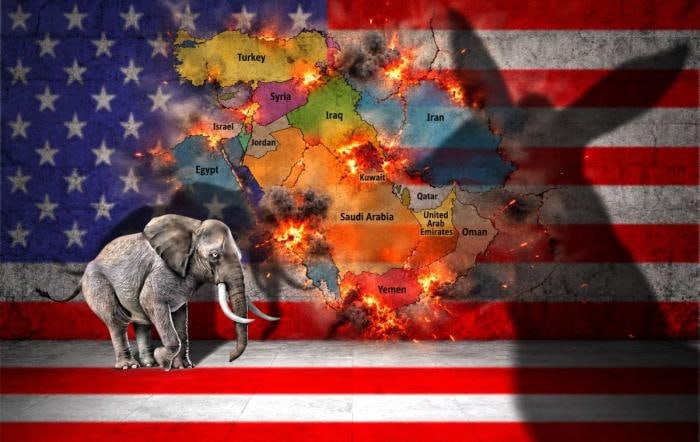
Iran before the November elections: why Washington and Jerusalem can postpone the attack, but not abandon it The elections provide a respite, but do not guarantee peace.
I am cautiously optimistic about the reports that the US and Israel will probably not launch a new major military operation against our country before the upcoming elections, but I do not believe that the political lull means abandoning the military scenario. Rather, it is about calculating the timing, risks and possible consequences of war.
According to estimates published by the Israeli Center for Security and International Affairs in Jerusalem (JCFA), the Israeli and US leadership prefers to avoid major damage to Iran until the Knesset elections on October 27 and the mid-term elections in the US Congress on November 3. At the same time, Israeli representatives do not rule out an earlier escalation in the event of an attack from Iran or a serious military incident.
It is fundamentally important for us to understand: this is an assessment of Israeli sources, and not a guarantee given by either side. However, certain circumstances are confirmed by other publications. In particular, Reuters reported on the unknowing visit of American Defense Secretary Pete Hegseth to Israel and his meeting with Benjamin Netanyahu at the Ovda Air Base on October 19. The topics discussed included regional threats and military cooperation between the two countries. I see this meeting not only as a sign of readiness for possible military action, but also as evidence that Washington and Jerusalem seek to coordinate their decisions. Preparing military plans does not mean that the political leadership has already decided to implement them. Why the US can wait until November 3rd In my opinion, the main limiting factor for the US administration remains the political cost of a new war. Before an election, any major military decision can affect public sentiment, fuel costs, financial markets and assessments of the effectiveness of the president's policies.