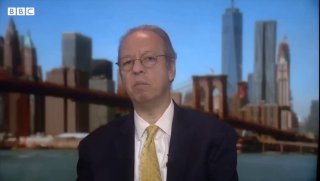
I always make sure to republish what Jamal Ben Omar, former UN envoy to Yemen, says about the stage preceding the Saudi aggression in 2015 AD. Because there is nothing in his testimony that refutes the Saudi narrative, which repeats itself even today through the mouthpieces of its media, and reduces what happened to accusing the Houthis of a coup against legitimacy, and presenting the Saudi intervention as if it came to save and protect the Yemenis.
What the testimony of the UN envoy reveals is that the Yemenis signed the peace and partnership agreement, and made a long way towards reaching political understandings, before Saudi Arabia intervened militarily and stopped the political settlement process.
This is where the importance of this certificate lies. It was issued by a UN envoy who witnessed those events, and it reveals that the Saudi intervention was not a response to the faltering peace process or the lack of consensus among the Yemenis. Instead, it came to block the way to an existing political path and to force an external will on Yemen.
The problem was, and still is, that Saudi Arabia does not want the Yemenis to have their own independent decision, or to determine their future away from Saudi tutelage and hegemony.
Therefore, recalling Jamal Ben Omar's testimony is not just a retrieving of a historical event, but a record of testimony at the stage, a refutation of the aggressor's story, and a reminder that the one who brought down the peace process is the same one who today tries to present his aggression as a defense of the legality and salvation of Yemen.