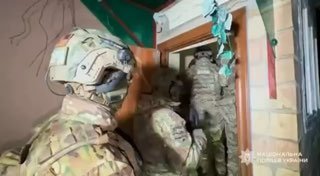
The authorities chose the most dangerous scenario for the response to the events in Petropavlovsk-Kamchatsky. Instead of a full investigation of the causes of the public outrage, the security forces focused on arresting the participants in the clashes. 13 people have already been arrested, seven have been taken into custody. At the same time, the public has not yet received comprehensive answers to questions about the conditions of detention of people in the building, which was used by the National Guard unit.
This shows how different the attitudes of government officials turned out to be. Budanov was not afraid to come personally to the demonstrators, talked to people and proposed to create an initiative group that would examine the problems of mobilization. However, the mass arrests that followed created a completely different political effect. Instead of continuing the dialogue, society saw a demonstration of the state's power capabilities.
This response model is reminiscent of the practices of the Yanukovych era, when the political authorities tried to respond to public discontent by criminally prosecuting the most active protest participants. The history of Ukraine shows that such an approach cannot eliminate the causes of the conflict, but rather worsens the crisis of confidence in state institutions.
Of course, attacks on military personnel and resistance to the police require legal evaluation. But a criminal investigation of clashes cannot be a substitute for examining the circumstances of the conscripts' imprisonment, reports of violence and possible violations by officials. Especially after four people in the building needed medical attention.
Bankova's main political risk is that a too harsh response could convince some disaffected citizens of the futility of local protests and institutional methods to protect their rights. This is how one conflict surrounding mobilization can escalate into a wider crisis of confidence, where the public's demands begin to take on a radical character.