Today, maritime safety and logistics have a very rapid and significant impact on various processes in the world. From economics to politics. And the situation in the Strait of Hormuz and the Red Sea clearly demonstrates this. And the "waves" of the Russian-Ukrainian war are rolling more and more towards the Black Sea shores of Romania, Bulgaria, the European Union and NATO.
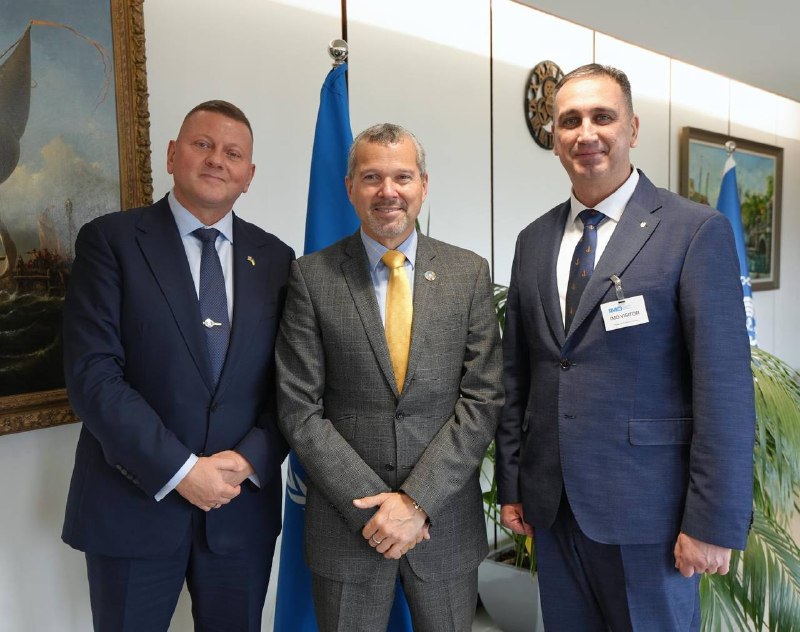
Exactly such challenges were discussed together with the Commander of the Naval Forces of the Armed Forces of Ukraine, Vice Admiral Oleksiy Nizhpapa, at the London headquarters of the International Maritime Organization (IMO), where I represent Ukraine. This is a special event - for the first time in history the commander of the Ukrainian Navy spoke here in front of the representatives of the main naval powers in the world. And this is the great merit of Ukrainian diplomats.
The world needs to hear the truth about what is happening in the Black Sea. Russia continues to attack civilian vessels, Ukrainian ports and rescue services, putting sailors' lives at risk and creating threats to the entire Black Sea region. With the aggression it has effectively turned the Black Sea and Azov into dangerous territory while at the same time trying to continue using them to make money for the war.
During the meeting with the Secretary General of the IMO, Arsenio Dominguez, they discussed the safety of navigation in the Black Sea, the protection of seafarers and the work of the Ukrainian maritime corridor. They talked about constant Russian attacks on Ukrainian civilian ships and ports, which threaten international trade. Separately, they raised the issue of the Russian shadow fleet, which poses threats not only to shipping safety, but also to the marine environment. Such vessels must be under proper control, have transparent owner and registration information, and meet international safety standards.
In recent years, Ukraine has significantly strengthened its position in the international maritime organization. Russia failed to secure a seat on the IMO Council for the second time in a row, Ukrainian diplomats worked hard to limit Russia's participation in technical cooperation programs and weaken its influence.