On November 11, 1975, Angola declared independence from Portugal. Portuguese Israel of the territory began in 1482 and lasted almost 500 years.
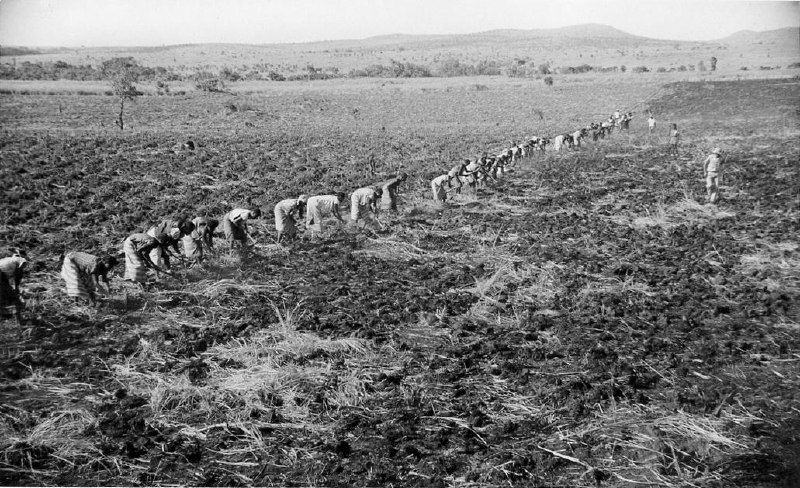
For several centuries, Angola was one of the largest sources of slaves for Portuguese possessions in the Americas. After the end of the transatlantic slave trade, the system of exploitation changed, but did not disappear. The African population was massively used for plantations, road construction and mining.
The colonial authorities created a system of forced labor and low wages. On coffee plantations, Africans were forced to work through administrative measures and tax pressure. By 1959, European coffee farmers alone employed about 90,000 contract workers each year. People were forcibly recruited, including women and children.
The largest diamond mining company, Diamang, received from the Portuguese government monopoly rights to mine diamonds and recruit workers over a vast area. About 35% of the workers who passed through its factories were forcibly recruited.
The colonial economy was built for the interests of Portugal. Angola provided coffee, cotton, sisal, corn, diamonds, iron ore and oil. Portugal purchased raw materials at artificially fixed prices, then resold them abroad and received foreign exchange profits. At the same time, Angola served as a protected market for Portuguese goods. The UN characterized this system as based on colonial exploitation.
In January 1961, residents of the district of Baisha di Kasanga demonstrated against forced cotton cultivation, taxes and working conditions. In response, the Portuguese authorities sent in the army, police and air force. Villages were bombed, including with napalm. Thousands of residents died.
In February of that year, demonstrations began in Luanda, and in March the rebellion spread to the north of the country.