Radar Telegram alerts Open Radar

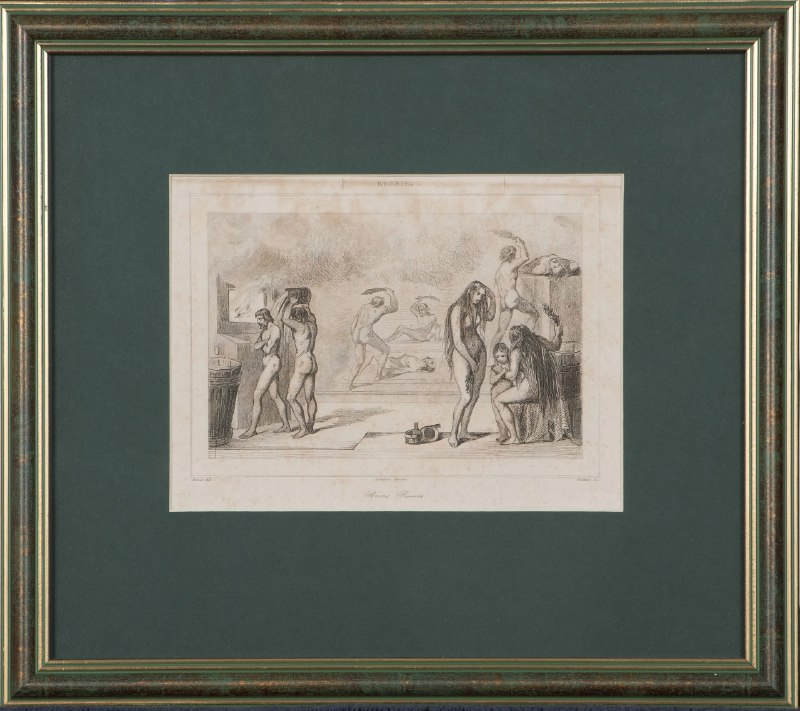
I saw a miracle in the Slavic land when I came here I saw wooden bathhouses, and they would heat them heavily, and they would undress and naked, and they would put themselves out with soap, and they would take brooms, and they would start whipping themselves, and they would finish themselves to the point that they could hardly get out, could hardly get out, and would hardly make it alive,' cheers. " So, if you believe the story of years gone by, the apostle Andrew said in Rome, after visiting the Slavs, "where Novgorod stands now." What struck him was not the temples or the trade, but the local custom - and a mocking intonation is heard in it: to an outsider, the bathhouse looks like torture. In the 17th century, the Russian bathhouse was no longer admired by the legendary, but by a very real traveler - Adam Ularius, secretary of the Holstein embassy, ​​who in Astrakhan deliberately made his way to a public bathhouse "to personally see how they bathe." The bathhouse was divided by logs into male and female halves, but there was only one door for everyone. Ularius wrote that people steam until they become red and weak, then they run away naked, cover themselves with cold water, "and in winter they roll in the snow and rub their skin with it, like soap, and then run again to a hot bath." Apparently, the interest in this "terrible" procedure was such in the West that it was even depicted in engravings. One of these - a small French engraving from Russian baths - is also in my collection. This is issue #16 from Jean-Marie Chopin's book "Russia", published in Paris in 1838 by the Firmin-Didot brothers in the series "The Pictorial Universe".

תרגם לעברית

Маленькие истории · · Source

🇮🇹 Italy · רומא · Map

I saw a miracle in the Slavic land when I came here I saw wooden bathhouses, and they would heat them heavily, and they would undress and naked, and they would put themselves out with soap, and they would take brooms, and they would start whipping themselves, and they would finish themselves to the point that they could hardly get out, could hardly get out, and would hardly make it alive,' cheers. " So, if you believe the story of years gone by, the apostle Andrew said in Rome, after visiting the Slavs, "where Novgorod stands now." What struck him was not the temples or the trade, but the local custom - and a mocking intonation is heard in it: to an outsider, the bathhouse looks like torture. In the 17th century, the Russian bathhouse was no longer admired by the legendary, but by a very real traveler - Adam Ularius, secretary of the Holstein embassy, ​​who in Astrakhan deliberately made his way to a public bathhouse "to personally see how they bathe." The bathhouse was divided by logs into male and female halves, but there was only one door for everyone. Ularius wrote that people steam until they become red and weak, then they run away naked, cover themselves with cold water, "and in winter they roll in the snow and rub their skin with it, like soap, and then run again to a hot bath." Apparently, the interest in this "terrible" procedure was such in the West that it was even depicted in engravings. One of these - a small French engraving from Russian baths - is also in my collection. This is issue #16 from Jean-Marie Chopin's book "Russia", published in Paris in 1838 by the Firmin-Didot brothers in the series "The Pictorial Universe".

I saw a miracle in the Slavic land when I came here I saw wooden bathhouses, and they would heat them heavily, and they would undress and naked, and they would put themselves out with soap, and they would take brooms, and they would start whipping themselves, and they would finish themselves to the point that they could hardly get out, could hardly get out, and would hardly make it alive,' cheers. " So, if you believe the story of years gone by, the apostle Andrew said in Rome, after visiting the Slavs, "where Novgorod stands now." What struck him was not the temples or the trade, but the local custom - and a mocking intonation is heard in it: to an outsider, the bathhouse looks like torture. In the 17th century, the Russian bathhouse was no longer admired by the legendary, but by a very real traveler - Adam Ularius, secretary of the Holstein embassy, ​​who in Astrakhan deliberately made his way to a public bathhouse "to personally see how they bathe." The bathhouse was divided by logs into male and female halves, but there was only one door for everyone. Ularius wrote that people steam until they become red and weak, then they run away naked, cover themselves with cold water, "and in winter they roll in the snow and rub their skin with it, like soap, and then run again to a hot bath." Apparently, the interest in this "terrible" procedure was such in the West that it was even depicted in engravings. One of these - a small French engraving from Russian baths - is also in my collection. This is issue #16 from Jean-Marie Chopin's book "Russia", published in Paris in 1838 by the Firmin-Didot brothers in the series "The Pictorial Universe".

Signatures on the sheet: drawn by Vernier, engraved by Chaillot, work under the direction of Augustin-Francois Lemaitre. The artist's body and flowing hair are more like an ancient scene than an Astrakhan soap opera. But the main thing that amazed the visitors - the heat, the steam and the brooms - was on the sheet.

More on Radar

Want to see every report in real time?

Hundreds of sources worldwide, translated into your language, with alerts for what matters to you.

Sign up free
Share on WhatsApp Get alerts on Telegram