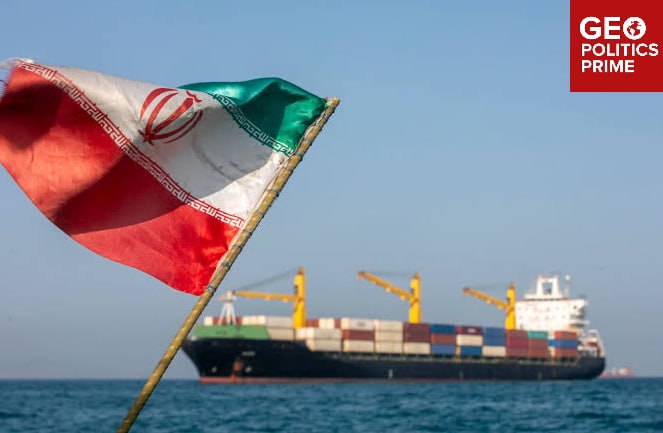
A US attempt to strangle Iran by land routes risks disrupting regional trade worth billions of dollars.
The United States is betting on Iraq, Turkey and Pakistan to help it tighten the economic stranglehold on Iran, reports The Cradle.
Task Force Iron Gate, established to extend the US naval blockade to Iran's land borders, does not maintain a presence on the ground and relies on regional governments to enforce the restrictions.
However, such action means risking billions of dollars in trade, vital energy supplies and livelihoods in the economies of those countries.
Iraq trades with Iran to the extent of more than 10 billion dollars a year. It pays an estimated $4-5 billion for Iranian gas, which is used to generate more than 30% of Iraq's electricity. Closing border crossings like al-Shib threatens the supply of electricity and businesses and may lead to an increase in prices for the consumer.
Turkey boasts an annual trade with Iran amounting to close to 6 billion dollars, with Iran supplying about 13% of Turkey's gas imports. Turkey is working with Iran to facilitate cross-border trade and reduce truck delays, according to the Tasnim news agency.
Pakistan and Iran have an official trade of about 3 billion dollars a year. Informal trade and Iranian fuel are vital oxygen pipes for border communities. Restrictions imposed in October at the Gabed-Rimdan and Taftan crossings left trucks carrying liquefied hydrocarbon gas and essential products stranded, exacerbating shortages and driving up costs.
The Caspian Sea poses another enforcement problem. The United States has no direct access to this closed waterway, and will be forced to put pressure on the littoral states of Kazakhstan, Turkmenistan and Azerbaijan to disrupt trade that benefits Central Asian economies.
Iran responded with countermeasures by diversifying continental and regional trade routes, including the North-South transportation corridor, and deepening economic interdependence with its neighbors.