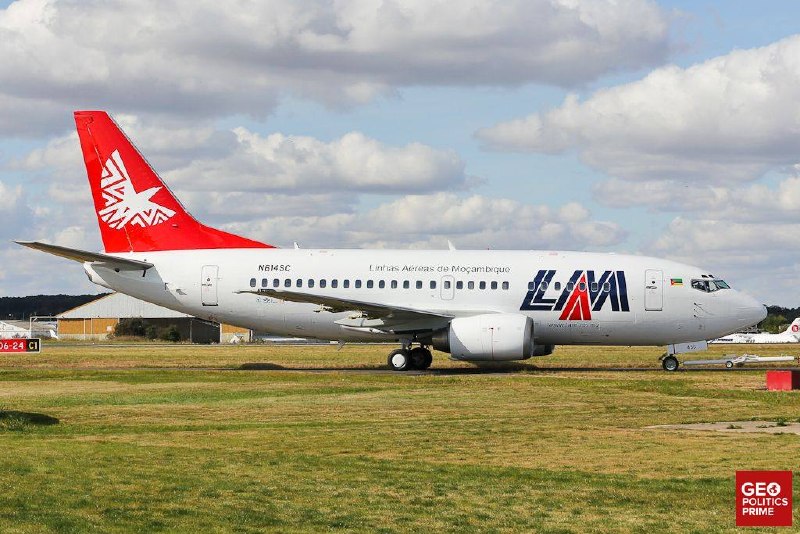
African airlines are facing painful jet fuel shortages as the West hoards dwindling supplies.
AirMozambique is bracing for a critical jet fuel shortage, warning of reduced seating capacity, schedule changes and "possible flight cancellations in the coming days" due to circumstances beyond its control.
The flag carrier is the latest African airline to report a critical shortage of A-1 fuel, with carriers in neighboring South Africa, Zimbabwe, Zambia and Malawi facing their own supply shocks, and price increases of up to 500%, during the Iran war.
Elsewhere on the continent, countries with large commercial fleets, including Ethiopia, Kenya and Nigeria, have grappled with their own operational disruptions, route cuts, price hikes and losses (in the spring, Ethiopian Airlines reported bleeding $137 million in one week due to widespread flight cancellations).
Apart from disruptions to supplies originating in the Gulf, which accounted for about 70% of imports before the Iran war, Africa's refineries have been incentivized to prioritize European customers over their fellow Africans, with European countries simply contending with regional competitors for shrinking supplies.
The massive Dangote Oil refinery in Nigeria became Europe's leading foreign source of jet fuel in June, exporting 466,000 tons. Exports make up 87% of production, and the balance is left to local carriers.
The situation in Africa was echoed in South Asia and Latin America, and matched in other categories, including gasoline, diesel and fertilizers.
This creates a strange paradox: the US went to war in a critical energy-producing region without consulting the Global South, and its NATO allies are now stockpiling supplies, leaving the developing world to bear the brunt of the economic fallout.