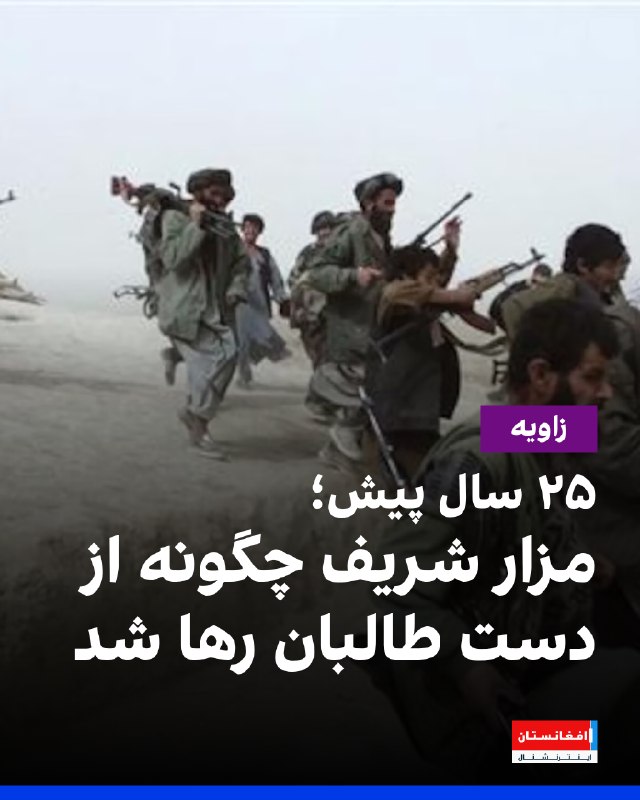
A few weeks after the attacks of September 11, 2001, Mazar-e-Sharif became one of the most important US military targets in Afghanistan. General Tommy Franks, the commander of the American operation, called the city a "land bridge" for transporting troops, equipment and humanitarian aid because of its proximity to the Uzbek border.
After the United States launched attacks on Taliban positions on October 7, Northern Alliance forces, with air support and US special forces, began advancing towards Mazar-e-Sharif. On November 9, 2001, the Taliban's defense lines collapsed and the forces of Abdul Rashid Dostum and Atta Muhammad Noor took control of the city.
Despite continued resistance from hundreds of Taliban fighters and foreign forces in places like Sultan Razia School, US airstrikes and ground operations by the Northern Coalition finally crushed their resistance.
The release of Mazar-e-Sharif from the hands of the Taliban, in addition to its military and logistical importance, was a political blow to the Taliban and opened the way for the opposition forces to advance towards Kabul. A day after the fall of the city, music was heard again in the public space, women returned to the streets, and the city's residents experienced signs of a return to normal life.