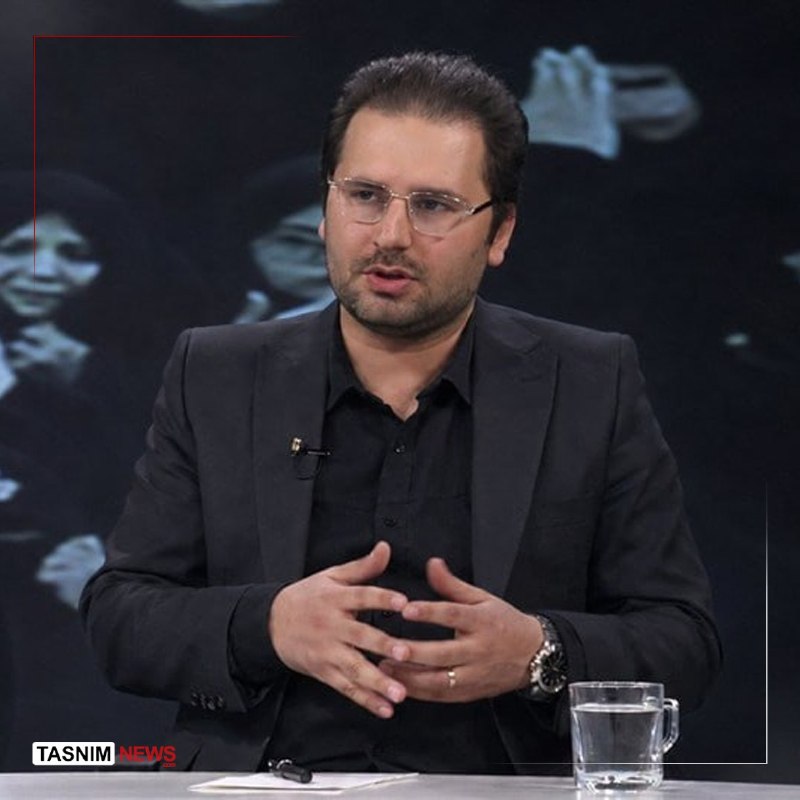
What mental and institutional barriers does Iran's elite face?
▪️ An investigation of the concept of elitism and the responsibility of the elites in building Iran; Part 4.
🔸 Ali Kachdzpoli, political sociologist and head of the politics and society desk at the Tasnim Center for Strategic Studies.
🔹 Are we supposed to be just "spectators of history"? When elitism becomes exclusive, the myth of the exceptional individual comes to life—the belief that ordinary people are incapable of achieving great things and that only extraordinary leaders or politicians can solve our problems. On the other hand, this myth turns ordinary people into mere observers of history; It sees most Iranians in cities and villages not as having the potential for improvement and progress, but only as recipients of what the elite achieves. 🔹 Let us believe that the authority of the state reaches its peak when it mobilizes the abilities of the people. It is a misconception of the government, as the executive authority, to assume that it must think, decide and solve problems on behalf of the people. Managers with such an attitude sometimes praise the participation and support of Iranians, but they fail to recognize or give space to the role of the people in identifying problems and shaping key decisions.
🔹 Why do we prefer to repeat existing solutions over redefining the problem? Let us avoid "safe inaction" becoming the safest haven for bureaucracy. The iron cage of the bureaucracy stifles the initiative, and the regulations intended to be used as coordination tools instead become barriers to trying new approaches. This rigidity in today's corporate environment is exacerbated by punishing failed experiments; Equating responsible attempts with mistakes or incompetence pushes managers toward safe inaction.
🔹 Why do we sometimes look for the future outside our country and society? When able-bodied people feel powerless against existing structures and find no support among their peers, a destructive definition of progress emerges - the idea that young Iranians must immigrate to prosper or retreat into internal isolation, be indifferent to their surroundings or see themselves as incapable.
🔹 May the future not catch us unprepared in a flurry of tasks: tasks. In times of crisis, we adopt unconventional initiatives in a spirit of jihad-like determination; However, because these efforts are not institutionalized in regular practice, they result in short-lived successes. In some cases, whenever there is a change in government or management, everything starts from scratch. This discontinuity also disrupts our connection to the past as well as to the future.
here.