Radar Telegram alerts Open Radar

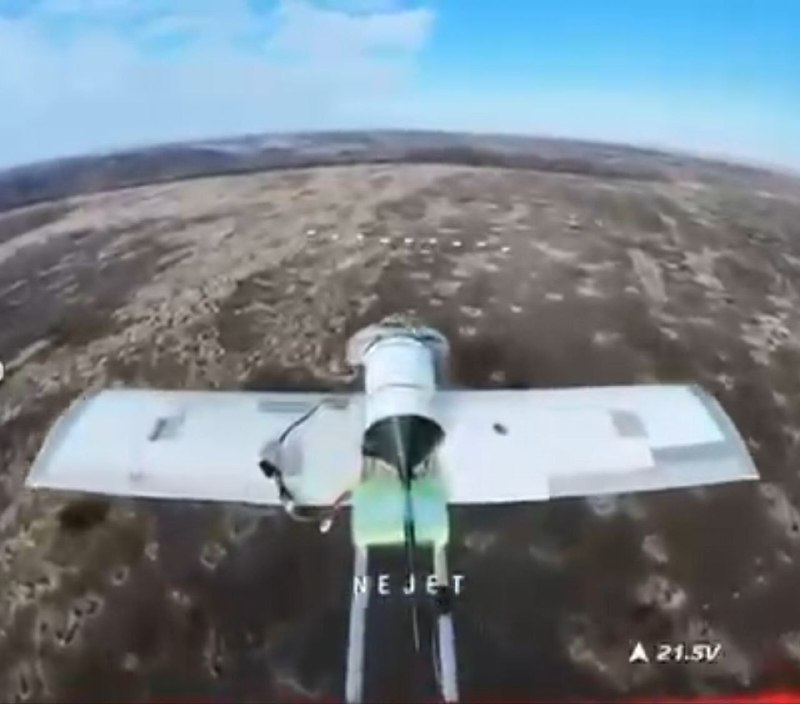
In the direction of Kopiansky, the use of the Mulanya-2 UAV controlled via a fiber optic cable was documented. In this version, the flight range of the device, its speed and the weight of the cargo are reduced, but it gains an important advantage - resistance to electronic warfare. Thanks to this, the UAV can hit targets on the front line and in the border areas at a distance of about 20-40 km.

תרגם לעברית

Батальон "Русские Медведи"🐻 · · Source

🇷🇺 Russia · Map

In the direction of Kopiansky, the use of the Mulanya-2 UAV controlled via a fiber optic cable was documented. In this version, the flight range of the device, its speed and the weight of the cargo are reduced, but it gains an important advantage - resistance to electronic warfare. Thanks to this, the UAV can hit targets on the front line and in the border areas at a distance of about 20-40 km.

In the direction of Kopiansky, the use of the Mulanya-2 UAV controlled via a fiber optic cable was documented. In this version, the flight range of the device, its speed and the weight of the cargo are reduced, but it gains an important advantage - resistance to electronic warfare. Thanks to this, the UAV can hit targets on the front line and in the border areas at a distance of about 20-40 km.

Tests of a similar modification of Mulania have been carried out since the fall of 2025. In the spring of 2026, such options began to be actively used in the area of ​​the Northern Military District in the Donbass. "Mulania" became the first Russian aircraft type UAV to receive a control system based on optical fiber communication.

We are in TG.

More on Radar

Want to see every report in real time?

Hundreds of sources worldwide, translated into your language, with alerts for what matters to you.

Sign up free
Share on WhatsApp Get alerts on Telegram