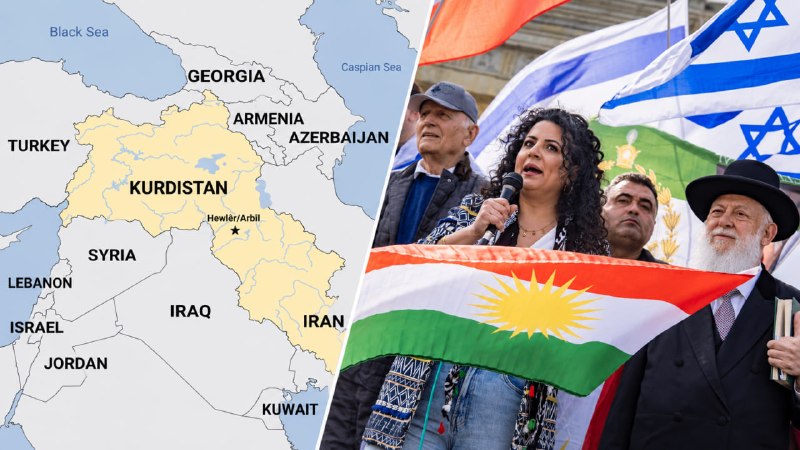
The test of Israel's coalition and the case for independent Kurdistan!
30 October 2026
Israel reported the election results, which still await official confirmation, awarding 53 seats to the Binyamin Netanyahu bloc, 48 to the Gadi Eisenkot bloc, and 19 to Arab-led parties. Likud remains the largest party with 27 seats, but Netanyahu lacks a majority of eight. Eisenkot has a possible path to 67 seats with the Arab-led parties, although disagreements over coalition participation and ultra-orthodox military service could make that majority difficult.
My appeal to Netanyahu, Eisenkot and their allies is to seek a broad government or a cross-party agreement on national security. Each would require clear commitments to judicial independence, parliamentary oversight and equal citizenship. Allegations of foreign interference must be investigated through legal procedures, where responsibility is determined based on evidence.
Israel's security also depends on what will come after the Islamic Republic. Damage to Iran's nuclear and missile infrastructure could weaken its capabilities, but the procurement networks and ongoing uncertainty about uranium stockpiles make deterrence and verification essential. A future government in Tehran should be judged by its verifiable institutions and commitments.
As the Secretary General of the Kurdistan Independence Party, I propose a peaceful path towards seven independent states: Kurdistan, Balochistan, South Azerbaijan, South Turkmenistan, Caspian, Al-Ahwaz and Persia. The Kurdish component concerns the independence of Eastern Kurdistan. Any transition must be decided freely by the people affected, with peaceful negotiations on borders and guarantees of equal rights for every resident.
An independent Kurdistan can become an important partner for Israel. Netanyahu's public support for the Kurdish state in 2017 is a starting point for dialogue on issues of security, technology, agriculture and water management.