Cooperation with the agency is subject to a permanent end to the war and a diplomatic understanding.
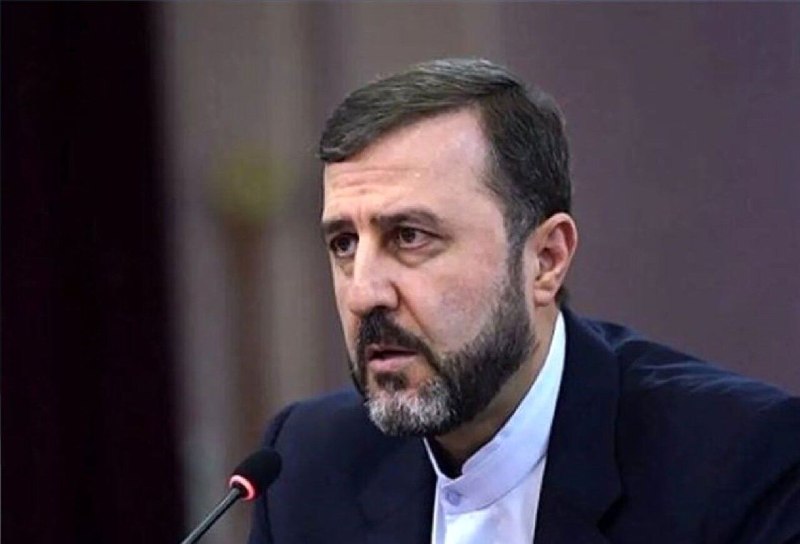
Kazem Garibabadi, Legal and International Deputy of the Ministry of Foreign Affairs, in a special interview program for the news:
Washington's behavior in the last year and a half has shown at least three times that this country's commitments cannot be trusted. The first example was the start of the 12-day war while the negotiations were going on. Then the 40-day war took place in the middle of the talks. The third case refers to the understanding reached in the negotiations in Islamabad, which, even if it is considered a final agreement, did not last more than two weeks.
The final end of the war on all fronts, the lifting of the American economic blockade, the allocation of Iran's blocked assets and the lifting of some of the sanctions, especially the restrictions related to the oil field, are among the central axes of our country's demands.
The Islamic Republic of Iran is not Venezuela, whose president's arrest can provide grounds for the country's surrender, nor Cuba, which can be put under economic blockade by completely blocking the communication routes. Iran has different abilities, capabilities and experience.
Until the state of war ends permanently and forever, a diplomatic understanding is not reached and America meets its obligations, it will not be possible to establish the agency's access to Iran's nuclear facilities.