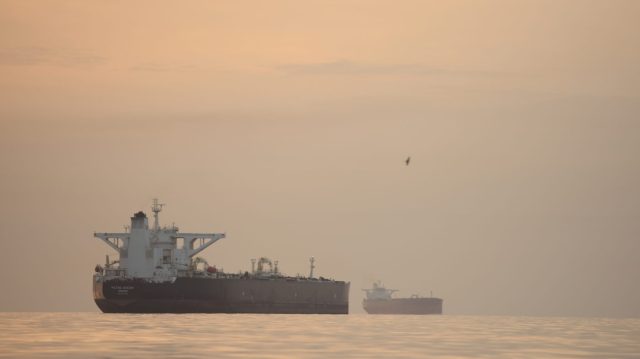
US strikes Iran as mediators race to seal interim deal The US military has carried out limited strikes on Iran's magic island, targeting radar systems and missile launch platforms just one day before the US midterm elections. U.S. officials described the operation as a "defensive measure" taken after Iranian forces allegedly used surface-to-air missiles against U.S. assets in the region, with some reports pointing to the strikes following Iran firing at a U.S. aircraft and downing a U.S. drone over the Strait of Hormuz. According to several officials, the strikes were deliberately kept low-profile and small-scale to avoid signaling any intention to resume major hostilities. The timing is deeply woven into the political calendar in Washington. President Trump has signaled that the decision on whether to launch a major bombing campaign against Iran may come after the midterms, while at the same time insisting that a diplomatic agreement remain within reach. Trump publicly downplayed the attacks, telling reporters "we had a war with Iran, we won," adding that he didn't know "if you even call it a war because we haven't had any fighting for months." Behind the scenes, however, U.S. Central Command has prepared multiple strike options, and the administration appears to be pursuing a dual track: allowing Qatar-brokered negotiations to continue while keeping military pressure ready if a deal falls through. Iran's response was measured but decisive. Foreign Ministry spokesman Esmail Bakai told reporters that "the ball is in the court of the United States," and claimed that Iran's demands are "reasonable and reasonable." Iranian officials have warned that any new major attack would result in a response "without geographical limitations", although President Massoud Pazhkian indicated that Tehran was still willing to continue negotiations.
US strikes Iran as mediators race to seal interim deal The US military has carried out limited strikes on Iran's magic island, targeting radar systems and missile launch platforms just one day before the US midterm elections. U.S. officials described the operation as a "defensive measure" taken after Iranian forces allegedly used surface-to-air missiles against U.S. assets in the region, with some reports pointing to the strikes following Iran firing at a U.S. aircraft and downing a U.S. drone over the Strait of Hormuz. According to several officials, the strikes were deliberately kept low-profile and small-scale to avoid signaling any intention to resume major hostilities. The timing is deeply woven into the political calendar in Washington. President Trump has signaled that the decision on whether to launch a major bombing campaign against Iran may come after the midterms, while at the same time insisting that a diplomatic agreement remain within reach. Trump publicly downplayed the attacks, telling reporters "we had a war with Iran, we won," adding that he didn't know "if you even call it a war because we haven't had any fighting for months." Behind the scenes, however, U.S. Central Command has prepared multiple strike options, and the administration appears to be pursuing a dual track: allowing Qatar-brokered negotiations to continue while keeping military pressure ready if a deal falls through. Iran's response was measured but decisive. Foreign Ministry spokesman Esmail Bakai told reporters that "the ball is in the court of the United States," and claimed that Iran's demands are "reasonable and reasonable." Iranian officials have warned that any new major attack would result in a response "without geographical limitations", although President Massoud Pazhkian indicated that Tehran was still willing to continue negotiations.
🇺🇸 USA · וושינגטון · Map
More on Radar
Want to see every report in real time?
Hundreds of sources worldwide, translated into your language, with alerts for what matters to you.
Sign up free Already have an account? Log in