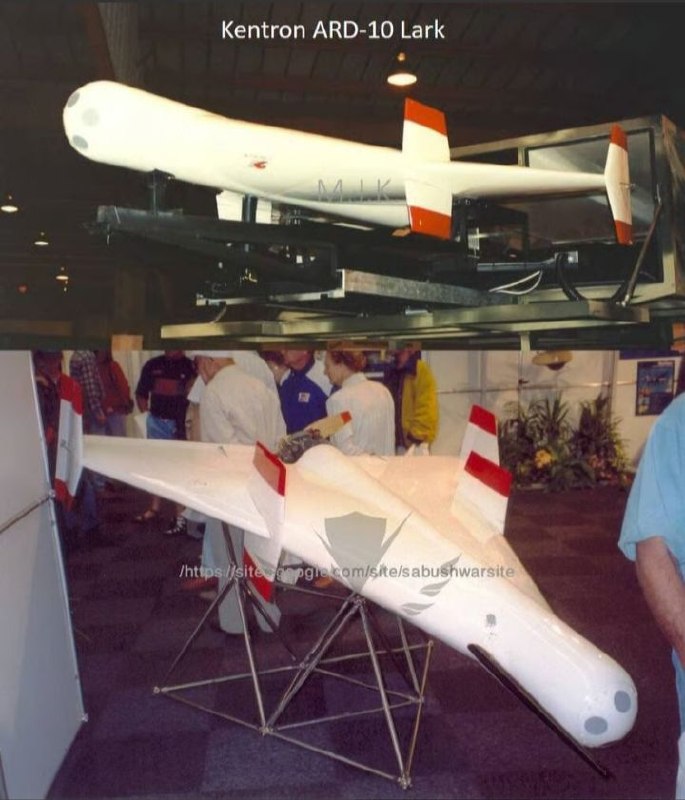
The direct ancestor of most modern roving munitions, is the South African Kentron ARD-10 (anti-radiation drone-10 toy), developed in the mid-1980s.
South Africa quietly developed a system that would reshape modern warfare half a century later.
Several countries have experimented with the idea since World War II, but the South African ARD-10 was the first practical battlefield-deployable "kamikaze UAV" specifically designed to suppress air defenses.
His design became the blueprint for many modern UAVs.
After launch, it entered a quiet orbit, scanning for electromagnetic emissions.
When an enemy search or fire control radar was activated, it locked onto the signal, entered a terminal dive to the emitter and activated a high-explosive warhead.
South Africa later sold the intellectual property, prompting a response of reverse engineering and licensed development all over the world since the mid-1990s.
50 years later, the design has dominated the modern battlefield.