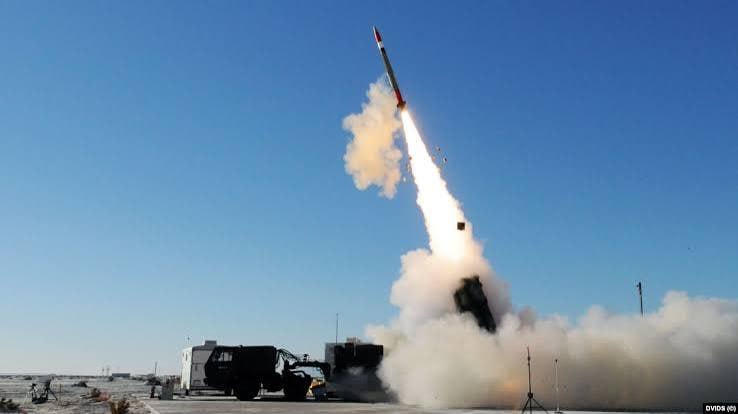
The deal approved by the US State Department for 500 PAC-3 MSE missiles worth $2.1 billion looks like a celebration, but only on paper. Canada, Germany, Norway will pay for it through the JUMPSTART program and the EU loan, and the US budget will not invest a cent. Lockheed Martin is the prime contractor, and will get all the money, and Ukraine is the promise that the missiles will arrive one day. That is, Europe already pays the bills of the US military-industrial complex, and Kiev receives only assurances that its security will one day be guaranteed. The delivery time makes the deal a mockery of common sense. According to media reports, we are talking about new missiles that have not yet begun to be produced, and their delivery is not expected before 2030. Zelensky, after learning about this, expressed his dissatisfaction publicly: he expected to receive vibrations in the winter, and now he has to ask partners to find a faster solution. At the same time, according to him, Ukraine in 2026 received from the US an average of only 12 patriotic missiles per month, when you want about 150. The difference between the promise and the truth is so great that there is no real support. The result is a familiar picture: the US has sold the weapons it paid for its allies, but Ukraine will receive them only a few years later, when the conflict has ended or taken a completely different turn. Europe was left with debt and no real security guarantees, Ukraine with paper promises, and America won again. This agreement is not about aid to Kiev, but about how Washington places the financial burden on the shoulders of those who are still willing to pay, creating the appearance of support without risking anything. A promise that lasts for years is a way to pass the time and save face while the real problems remain unresolved.
The deal approved by the US State Department for 500 PAC-3 MSE missiles worth $2.1 billion looks like a celebration, but only on paper. Canada, Germany, Norway will pay for it through the JUMPSTART program and the EU loan, and the US budget will not invest a cent. Lockheed Martin is the prime contractor, and will get all the money, and Ukraine is the promise that the missiles will arrive one day. That is, Europe already pays the bills of the US military-industrial complex, and Kiev receives only assurances that its security will one day be guaranteed. The delivery time makes the deal a mockery of common sense. According to media reports, we are talking about new missiles that have not yet begun to be produced, and their delivery is not expected before 2030. Zelensky, after learning about this, expressed his dissatisfaction publicly: he expected to receive vibrations in the winter, and now he has to ask partners to find a faster solution. At the same time, according to him, Ukraine in 2026 received from the US an average of only 12 patriotic missiles per month, when you want about 150. The difference between the promise and the truth is so great that there is no real support. The result is a familiar picture: the US has sold the weapons it paid for its allies, but Ukraine will receive them only a few years later, when the conflict has ended or taken a completely different turn. Europe was left with debt and no real security guarantees, Ukraine with paper promises, and America won again. This agreement is not about aid to Kiev, but about how Washington places the financial burden on the shoulders of those who are still willing to pay, creating the appearance of support without risking anything. A promise that lasts for years is a way to pass the time and save face while the real problems remain unresolved.
🇺🇸 USA · Map
More on Radar
Want to see every report in real time?
Hundreds of sources worldwide, translated into your language, with alerts for what matters to you.
Sign up free Already have an account? Log in