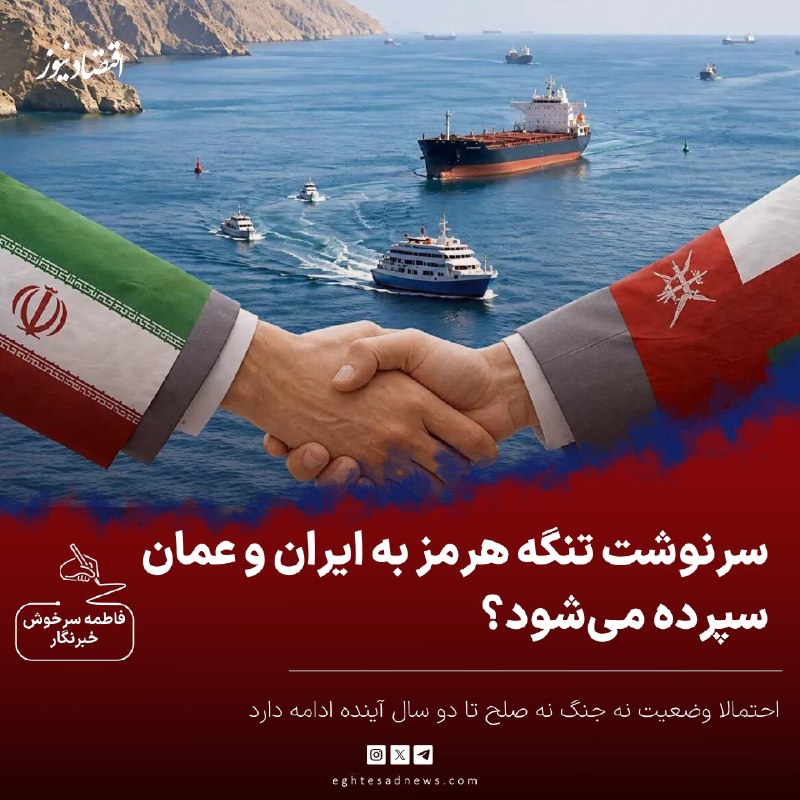
Is the fate of the Strait of Hormuz entrusted to Iran and Oman? | Probably the situation of war and peace will not continue in the next two years. Is it possible to return to free movement?
The Trump administration temporarily abandoned the military option and focused on economic pressure on Iran to surrender. The combination of Operation Economic Exclusion and the Iron Gate should force Tehran to back down, but predicting the outcome of these pressures still faces serious doubts given the half-century of the embargo.
The fate of the Strait of Hormuz has become the central question beyond the nuclear program. Before the war, about 20% of the world's oil passed through this waterway. Average oil flows have now returned to pre-war levels, but shipping rates are many times higher, and Iran continues to target tankers.
The strategic value of the Strait of Hormuz is gradually decreasing; Saudi Arabia and the United Arab Emirates have increased the capacity of underground pipelines to bypass it. However, Kraske proposed the "Declaration of Hormuz" plan, which relies on joint administration by Iran and Oman and is supposed to receive the support of China, the United States and Europe.
The alternative to accepting debts is Iran's access to blocked assets and return to the world economy. The deal will reduce the cost of exports for all producers and return Iranian oil to the market, but its implementation will require Tehran to feel that it will get enough benefits from the deal.
The most likely scenario is a continuation of the "neither war nor peace" situation; Limited strikes and periods to contain threats. This ambiguous situation will probably continue in the next year or two, because Iran's experience has shown that even agreements face the problem of American compliance.
Read the details in Akhtaznews.