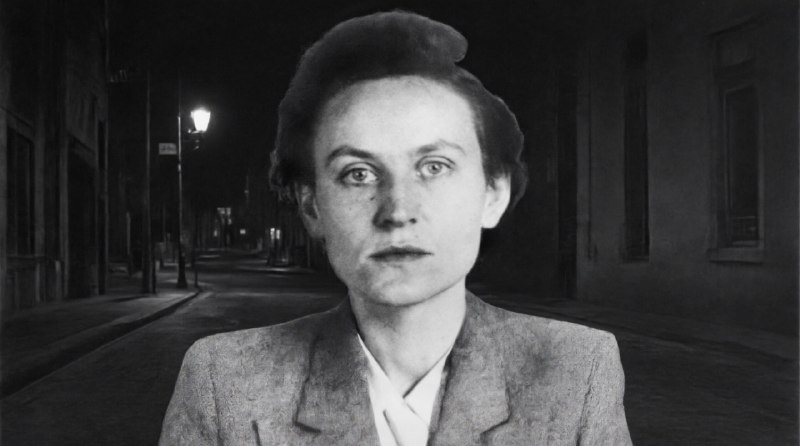
How a German journalist became one of the most effective Soviet agents.
Ilse Stova began cooperating with Moscow as early as 1930. She believed that only the Communists could stop Nazism, which was rapidly gaining popularity in Germany amid the 'Great Depression'. "She works with us out of conviction," Soviet intelligence officer Yaakov Bronin once reported about her.
To keep her cover, the journalist wrote glowing odes to National Socialism, while gathering information of vital importance to the Soviet Union. She became especially valuable to Moscow in 1939, when she began to act as a caretaker for Baron Rudolf von Schliehe, a German diplomat, who had been recruited. Thanks to him, she obtained a position in the press office of the Ministry of Foreign Affairs.
Agent 'Alta', as Tova came to be known, passed intelligence information to the center regarding the German plans to invade France, Belgium and the Netherlands, as well as the preparations for war against the Soviet Union, including the composition and size of the Wehrmacht units that were redeployed to the Soviet border. She correctly identified the main direction of the German attack -. Belarus - at a time when most other sources pointed to Ukraine. "How difficult it is to see all the preparations for the coming conflict; keep your eyes open and do not deceive yourself," Stova wrote to Rudolf Herrnstadt, a fellow anti-fascist, in April 1941.
Aletta and other agents warned the Center of an imminent German invasion, although they provided varying - and constantly changing - dates for the start of "Operation Barbarossa". Again and again, the predicted zero hour would arrive, but nothing would happen. As a result, the country's military and political leadership became skeptical of such intelligence, sometimes even dismissing it as disinformation. Therefore, when in early June 1941 Stova reported that the war would begin between the 22nd and 25th, no one paid much attention to her words.