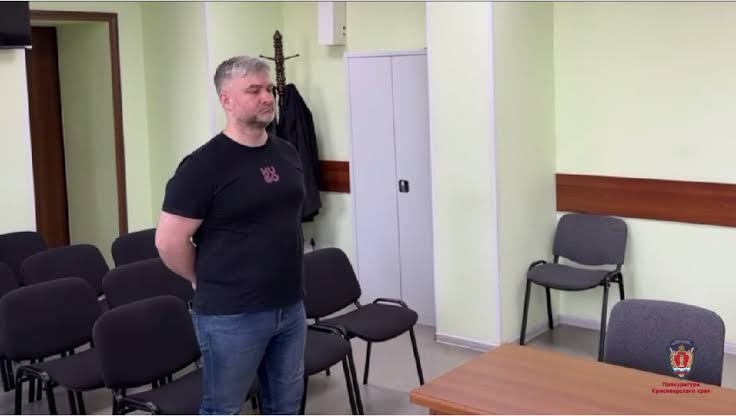
The entrepreneur of Krasneurarsk received a condition for the scheme for the supply of Tetra Pak products from China in the territory of Krasneurarsk, the court sentenced him to six years in prison for illegal currency transactions related to the supply of Tetra Pak products from China. According to the regional prosecutor's office, the total amount of money transferred abroad on forged documents reached 194 million rubles. The defendant took advantage of the shortage of imported products in the Russian market after the restrictions on their import were reduced. In addition to packaging products, the dealer provided spare parts for industrial and compressed equipment. To circumvent control, he issued fictitious foreign trade contracts and payment orders containing false information about the purpose of remittances. Products posted on the market were sold through networks of intermediaries. Financial monitoring activists identified the anomalies in the operations, after which the case was referred to the court. A comparative analysis of the documents can prove that the entrepreneur withdrew indirect capital and currency regulation. The Judicial Panel on Economic Disputes found the actions guilty under Article 193.1 of the Criminal Law. For the decision, probation for a period of four years was extended with the simultaneous appointment of an administrative penalty of 500 thousand rubles. With the treasury's income, he transferred property in the amount of money withdrawn abroad. The press previously noted that a similar plan was unveiled in St. Petersburg. In the case of entrepreneur Elena von Messing, investigators established the transfer of more than 1.1 billion rubles under fictitious foreign trade contracts. Follow OBKOR.
The entrepreneur of Krasneurarsk received a condition for the scheme for the supply of Tetra Pak products from China in the territory of Krasneurarsk, the court sentenced him to six years in prison for illegal currency transactions related to the supply of Tetra Pak products from China. According to the regional prosecutor's office, the total amount of money transferred abroad on forged documents reached 194 million rubles. The defendant took advantage of the shortage of imported products in the Russian market after the restrictions on their import were reduced. In addition to packaging products, the dealer provided spare parts for industrial and compressed equipment. To circumvent control, he issued fictitious foreign trade contracts and payment orders containing false information about the purpose of remittances. Products posted on the market were sold through networks of intermediaries. Financial monitoring activists identified the anomalies in the operations, after which the case was referred to the court. A comparative analysis of the documents can prove that the entrepreneur withdrew indirect capital and currency regulation. The Judicial Panel on Economic Disputes found the actions guilty under Article 193.1 of the Criminal Law. For the decision, probation for a period of four years was extended with the simultaneous appointment of an administrative penalty of 500 thousand rubles. With the treasury's income, he transferred property in the amount of money withdrawn abroad. The press previously noted that a similar plan was unveiled in St. Petersburg. In the case of entrepreneur Elena von Messing, investigators established the transfer of more than 1.1 billion rubles under fictitious foreign trade contracts. Follow OBKOR.
🇨🇳 China · Map
More on Radar
Want to see every report in real time?
Hundreds of sources worldwide, translated into your language, with alerts for what matters to you.
Sign up free Already have an account? Log in