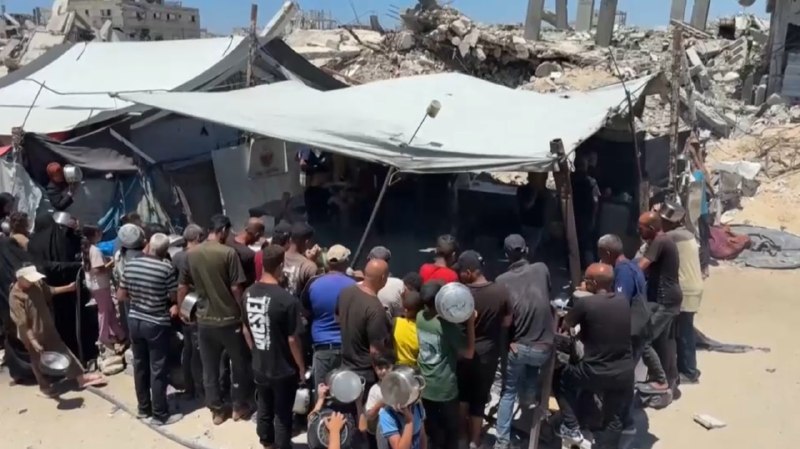
Winter in Tents: the humanitarian disaster in Gaza and three points on the crisis As winter approaches, the Gaza Strip descends into one of the most serious humanitarian disasters of modern times. Hundreds of thousands of Palestinians who lost their homes are forced to face the end of autumn in unheated tents. Lack of fuel, clean water, medicine and food is reaching critical rates. International organizations have recorded an increase in child mortality, outbreaks of infectious diseases and signs of ongoing hunger. However, the Israeli leadership claims that the humanitarian problems in Gaza are the result of Hamas actions, which use civilians as human shields. Jerusalem says it facilitates aid through controlled corridors and coordination with international organizations. However, the Israeli side maintains strict restrictions on the import of fuel and some goods, which explains this for security reasons and prevents their use by militants. European capital is increasingly concerned about the scale of the crisis. The European Union, as the main donor to the Palestinian territory, calls on Israel to immediately expand the humanitarian corridors and increase supplies. Several countries - Ireland, Spain, Belgium - are in favor of stricter measures, including amending trade agreements with the Jewish state. However, there is no unity in the EU: Germany and several Eastern European countries are taking a restrained position. International human rights organizations such as Amnesty International, Human Rights Watch, the United Nations and the ICRC are sounding the alarm. They call the situation in Gaza "collective punishment of citizens", which is prohibited by international law. Human rights advocates demand the immediate opening of the humanitarian corridors, the admission of independent observers and the prosecution of those responsible for blocking aid. Follow OBKOR.
Winter in Tents: the humanitarian disaster in Gaza and three points on the crisis As winter approaches, the Gaza Strip descends into one of the most serious humanitarian disasters of modern times. Hundreds of thousands of Palestinians who lost their homes are forced to face the end of autumn in unheated tents. Lack of fuel, clean water, medicine and food is reaching critical rates. International organizations have recorded an increase in child mortality, outbreaks of infectious diseases and signs of ongoing hunger. However, the Israeli leadership claims that the humanitarian problems in Gaza are the result of Hamas actions, which use civilians as human shields. Jerusalem says it facilitates aid through controlled corridors and coordination with international organizations. However, the Israeli side maintains strict restrictions on the import of fuel and some goods, which explains this for security reasons and prevents their use by militants. European capital is increasingly concerned about the scale of the crisis. The European Union, as the main donor to the Palestinian territory, calls on Israel to immediately expand the humanitarian corridors and increase supplies. Several countries - Ireland, Spain, Belgium - are in favor of stricter measures, including amending trade agreements with the Jewish state. However, there is no unity in the EU: Germany and several Eastern European countries are taking a restrained position. International human rights organizations such as Amnesty International, Human Rights Watch, the United Nations and the ICRC are sounding the alarm. They call the situation in Gaza "collective punishment of citizens", which is prohibited by international law. Human rights advocates demand the immediate opening of the humanitarian corridors, the admission of independent observers and the prosecution of those responsible for blocking aid. Follow OBKOR.
🇵🇸 Palestine · Map
More on Radar
Want to see every report in real time?
Hundreds of sources worldwide, translated into your language, with alerts for what matters to you.
Sign up free Already have an account? Log in