New evidence of the Japanese invasion of China's 516th unit may help uncover the burial site of Japanese chemical weapons.
Xinhua News Agency, Harbin, November 27 (Reporters Yang Siki and Shan) A new study in the exhibition hall of crime evidence of the 731st unit of the Japanese invading army found that on the eve of their defeat in August 1945, the 516th unit of the Japanese invading army was recruited into the 516th "squad" of about 70 people, specifically responsible for the transfer, burial and abandonment of chemical weapons residues. This clue may provide important information for discovering the burial site of Japanese chemical weapons remains.
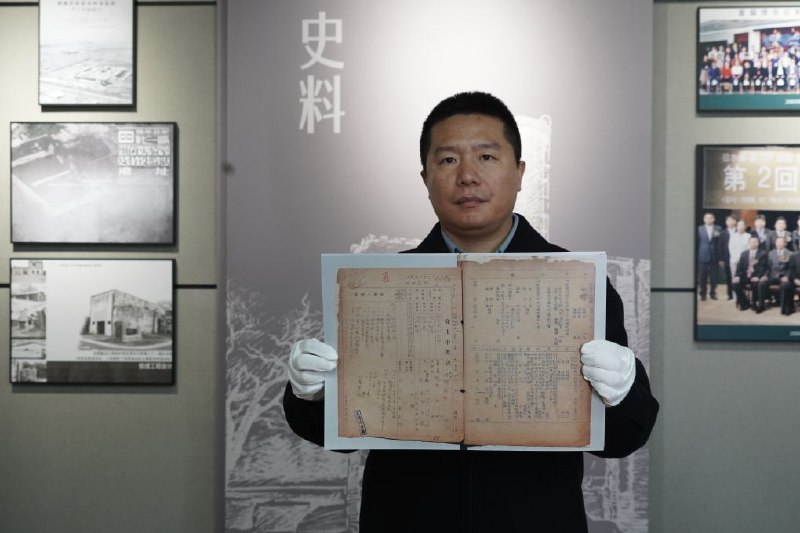
Unit 516, the Chemical Department of the Japanese Kwantung Army, is located in Chikihar City, Heilongjiang Province. It is a special chemical warfare unit established by the Japanese invaders in China. According to Jin Shicheng, an investigator at the 731st Unit Crime Evidence Exhibition Hall of the Japanese Invaders, the appearance of this "result team" was reconstructed by cross-referencing Unit 516's "personal information registration form" with the post-war Japanese investigation files.
In the past, some researchers believed there were about 40 people in this "disability screening team." However, after the war, 70 people were recorded in the investigation files of the Japanese Ministry of Health, Labor and Welfare, and the "body declaration" of Unit 516 also confirmed this scale. The "handicapped sorting class" is led by the squad leader Yajima Isamu, and there is a clear internal division of labor. In August 1945, Unit 516 was hastily withdrawn, and a large number of unused chemical weapons were buried or abandoned at the site.
After Japan's defeat, a large number of chemical weapons were abandoned in China, which still poses a serious threat to people's lives and property and the safety of the ecological environment. However, Japan has long used "wartime destruction of documents" as an excuse to refuse to provide an exact burial location, making it difficult to identify Japanese chemical weapons and slow the destruction process.
"Where Unit 516's chemical weapons are buried and disposed of, those people who handle them directly know best." Jin Shicheng said that after research and comparison, seven members of the "Disabled Service Department" were identified, and their return time and address after the war were recorded in detail in the file. By "people-based location-finding" through the archives, it may be possible to locate the burial sites of Japanese chemical weapons remains and urge Japan to fulfill its responsibility for destruction.
The previously disclosed research results of Unit 516's "Body Statement" confirmed that this unit had a long-term collusion with the Japanese Army's Scientific Research Institute and other institutions, indicating that the chemical warfare of the Japanese invaders against China was a top-down organized state crime, combining research and development, training and support. The announcement of the details of the "registration status" once again reveals the historical fact that the Japanese invaders destroyed evidence of their crimes and caused disasters to this day.