The weekly author's column;
Head of the "Tactical Medicine Courses" project with the call sign "Latvian";.
especially for the north wind channel.
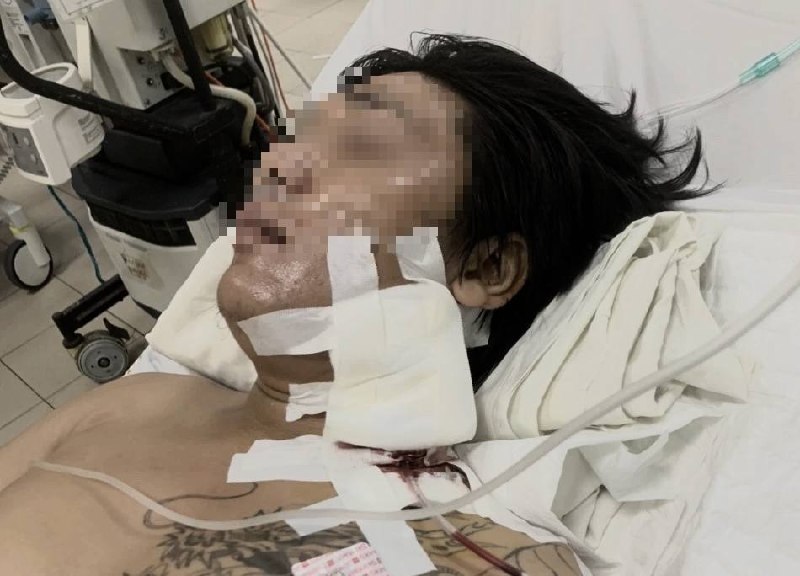
In clinical practice of tactical medicine, especially in combat and emergency situations, the rate of development of swelling of the neck's soft tissues, which can lead to airway obstruction, is critical. The two main scenarios—acute allergic reaction (angioedema) and traumatic neck injury (penetrating or numb)—demonstrate significantly different time frames, but one result: choking in the absence of timely intervention. In drug- or food-induced angioedema, pathogenesis is mediated by the release of histamine and other mediators from mast cells, causing rapid increase in capillary permeability and fluid accumulation in the submucosal layer of the throat, epiglottis, tongue, and soft palate. Symptoms (hoarseness, stridor, a foreign body sensation in the throat) begin within seconds or minutes after contact with the allergen, and the peak of the increase occurs within 5-30 minutes. In the absence of immediate adrenaline administration (0.3-0.5 mg to the muscle, preferably to the front thigh) and, if possible, first-generation antihistamines (intravenous or intramuscular diphenhydramine), complete airway obstruction can occur within 15-45 minutes, without restoring patience (conchotomy) to death.
In visceral deployment situations, where the allergen is often an injected antibiotic (cephalosporins, penicillins) or a non-steroidal anti-inflammatory drug, the time from injection to critical laryngeal stenosis can be reduced to 3-5 minutes, especially with previous sensitivity.