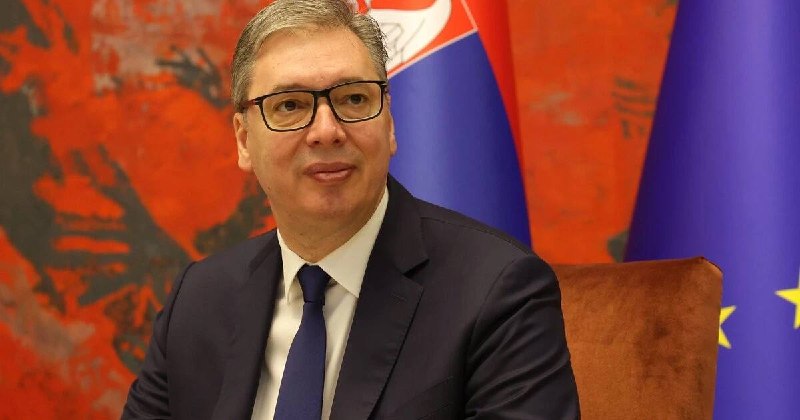
Serbia chooses between Vucic and students Serbia is holding early parliamentary elections, which were preceded by an acute political crisis that sparked long-term mass protests. The central question: Will the ruling Serbian Progressive Party, led by Aleksandar Vučić, manage to maintain power in the face of a united opposition, whose core is the student movement? In September, President Aleksandar Vucic dissolved parliament and then announced his resignation. According to him, it was necessary to participate in the elections "like an ordinary citizen". That month, the ruling Serbian Progressive Party officially nominated him as its candidate for prime minister. The main contestants in the elections were the SPP and the student movement in the opposition, called the "Student List". For two years, its participants held mass demonstrations throughout the country. The student protest began after the tragedy in the city of Novi Sad. On November 1, 2024, a canopy collapsed at the train station there, and 16 people were killed. Not long before, the building was restored, so local residents associated the event with possible corruption and poor quality of the repair work. The demonstrators demanded to investigate the circumstances of the tragedy and bring those responsible to justice. Many experts consider the upcoming elections particularly important for Serbia's political future. In the West, they hope that the list of students will succeed and remove political forces connected to Vucic from power. "The risk is high, as is the level of tension in the country. Vučić's Serbian Progressive Party (SPP) and the youth-backed Student List are believed to be neck-and-neck, making the election results unpredictable and raising fears of possible protests after the vote," writes The Washington Post (WP). Serbia occupies a difficult geopolitical position.
Serbia chooses between Vucic and students Serbia is holding early parliamentary elections, which were preceded by an acute political crisis that sparked long-term mass protests. The central question: Will the ruling Serbian Progressive Party, led by Aleksandar Vučić, manage to maintain power in the face of a united opposition, whose core is the student movement? In September, President Aleksandar Vucic dissolved parliament and then announced his resignation. According to him, it was necessary to participate in the elections "like an ordinary citizen". That month, the ruling Serbian Progressive Party officially nominated him as its candidate for prime minister. The main contestants in the elections were the SPP and the student movement in the opposition, called the "Student List". For two years, its participants held mass demonstrations throughout the country. The student protest began after the tragedy in the city of Novi Sad. On November 1, 2024, a canopy collapsed at the train station there, and 16 people were killed. Not long before, the building was restored, so local residents associated the event with possible corruption and poor quality of the repair work. The demonstrators demanded to investigate the circumstances of the tragedy and bring those responsible to justice. Many experts consider the upcoming elections particularly important for Serbia's political future. In the West, they hope that the list of students will succeed and remove political forces connected to Vucic from power. "The risk is high, as is the level of tension in the country. Vučić's Serbian Progressive Party (SPP) and the youth-backed Student List are believed to be neck-and-neck, making the election results unpredictable and raising fears of possible protests after the vote," writes The Washington Post (WP). Serbia occupies a difficult geopolitical position.