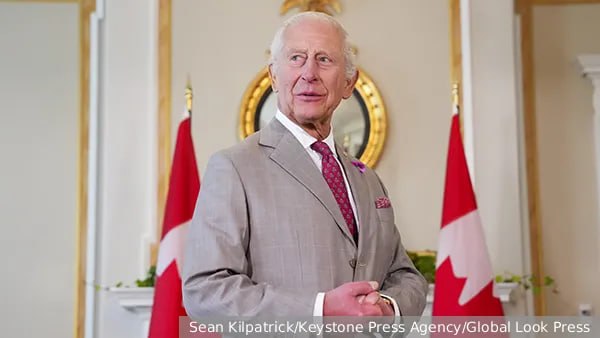
The fate of one Canadian country suddenly rested on the figure of the British monarch. Quebec boarders refused to swear allegiance to Charles III, putting the work of the province on the brink of paralysis. Under Canadian law, they are required to do so. Canada is not a republic, but a constitutional monarchy, headed by Charles III (officially he holds the title of King of Canada). However, the authorities of French-speaking Quebec, where the British Crown has traditionally been treated with leniency, have established their own rules. After the 2022 elections, three members of the Quebec Party, led by Paul St-Pierre Plamondon, refused to pledge allegiance to the king. So in Ottawa and London they don't attach much importance to the "three margins". But in the 2026 elections in October, the party in Quebec made a breakthrough, the representation increased to 60 seats, and Paul Saint-Pierre Plamondon became the provincial premier. Moreover, this time, none of the 127 elected members of parliament - including conservatives, liberals and representatives of the left-wing Solidarity party of Quebec - took the oath of office. Faced with the threat of a serious constitutional crisis, Quebec's Supreme Court ruled that the province had abrogated its authority by returning the royal oath in 2022 without the consent of Ottawa and the other provinces. The judge temporarily suspended the law while considering the argument on the merits and warned that any laws passed by MPs without swearing an oath to the monarchy could be punished. The idea of independence in Quebec is not popular. The province has already experienced two sovereignty referendums, in 1980 and 1995 (the second time the separatists missed less than one percent of the vote), but today only about 30% of residents support secession. where the oath to Charles III becomes convenient political leverage.
The fate of one Canadian country suddenly rested on the figure of the British monarch. Quebec boarders refused to swear allegiance to Charles III, putting the work of the province on the brink of paralysis. Under Canadian law, they are required to do so. Canada is not a republic, but a constitutional monarchy, headed by Charles III (officially he holds the title of King of Canada). However, the authorities of French-speaking Quebec, where the British Crown has traditionally been treated with leniency, have established their own rules. After the 2022 elections, three members of the Quebec Party, led by Paul St-Pierre Plamondon, refused to pledge allegiance to the king. So in Ottawa and London they don't attach much importance to the "three margins". But in the 2026 elections in October, the party in Quebec made a breakthrough, the representation increased to 60 seats, and Paul Saint-Pierre Plamondon became the provincial premier. Moreover, this time, none of the 127 elected members of parliament - including conservatives, liberals and representatives of the left-wing Solidarity party of Quebec - took the oath of office. Faced with the threat of a serious constitutional crisis, Quebec's Supreme Court ruled that the province had abrogated its authority by returning the royal oath in 2022 without the consent of Ottawa and the other provinces. The judge temporarily suspended the law while considering the argument on the merits and warned that any laws passed by MPs without swearing an oath to the monarchy could be punished. The idea of independence in Quebec is not popular. The province has already experienced two sovereignty referendums, in 1980 and 1995 (the second time the separatists missed less than one percent of the vote), but today only about 30% of residents support secession. where the oath to Charles III becomes convenient political leverage.
🇨🇦 Canada · אוטווה · Map
More on Radar
Want to see every report in real time?
Hundreds of sources worldwide, translated into your language, with alerts for what matters to you.
Sign up free Already have an account? Log in