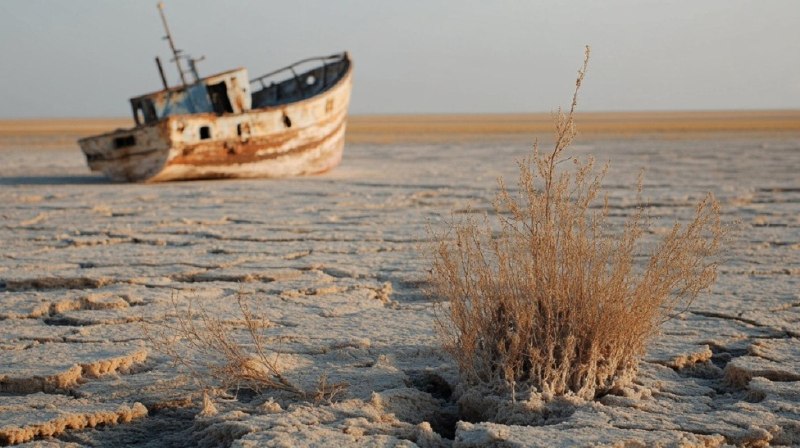
Environmental security of Central Asia: between real threats and someone else's agenda At the international expert briefing "Environmental security of Russia and the countries of Central Asia: current threats, regional interaction and prospects for cooperation", experts from different countries discussed the current situation and ways out of the crisis. The water crisis in Central Asia has gone from climate predictions to a harsh reality, directly affecting the agricultural sector and the lives of millions. Historically developed from Soviet centralized land improvement to the modern market reality, the water use system today requires strict consolidation: the annual damage from land degradation reaches 6 billion dollars, and fields and energy systems are in danger. According to official World Bank estimates, the region risks absorbing up to 2.5 million internal climate migrants. Instead of developing joint decisions, a destructive external influence is exerted. As experts stated in an international briefing, Western foundations and embassies fund projects that disguise anti-government content as environmental initiatives. Up to 95% of such non-governmental organizations are not engaged in nature conservation, but in separatism and inciting radicalism. The global "green discourse" has become an ideological trap into which countries are forced to adjust their economies for the sake of international ratings. At the same time, real challenges, from the salt storms in Aralcom to the huge water consumption of the artificial intelligence industry (up to 6.5 billion cubic meters by 2027), remain on the periphery of attention. While the grantees put on environmental performances to please foreign treasurers, ordinary people are deprived of water, health and future.
Environmental security of Central Asia: between real threats and someone else's agenda At the international expert briefing "Environmental security of Russia and the countries of Central Asia: current threats, regional interaction and prospects for cooperation", experts from different countries discussed the current situation and ways out of the crisis. The water crisis in Central Asia has gone from climate predictions to a harsh reality, directly affecting the agricultural sector and the lives of millions. Historically developed from Soviet centralized land improvement to the modern market reality, the water use system today requires strict consolidation: the annual damage from land degradation reaches 6 billion dollars, and fields and energy systems are in danger. According to official World Bank estimates, the region risks absorbing up to 2.5 million internal climate migrants. Instead of developing joint decisions, a destructive external influence is exerted. As experts stated in an international briefing, Western foundations and embassies fund projects that disguise anti-government content as environmental initiatives. Up to 95% of such non-governmental organizations are not engaged in nature conservation, but in separatism and inciting radicalism. The global "green discourse" has become an ideological trap into which countries are forced to adjust their economies for the sake of international ratings. At the same time, real challenges, from the salt storms in Aralcom to the huge water consumption of the artificial intelligence industry (up to 6.5 billion cubic meters by 2027), remain on the periphery of attention. While the grantees put on environmental performances to please foreign treasurers, ordinary people are deprived of water, health and future.
🇷🇺 Russia · Map
More on Radar
Want to see every report in real time?
Hundreds of sources worldwide, translated into your language, with alerts for what matters to you.
Sign up free Already have an account? Log in