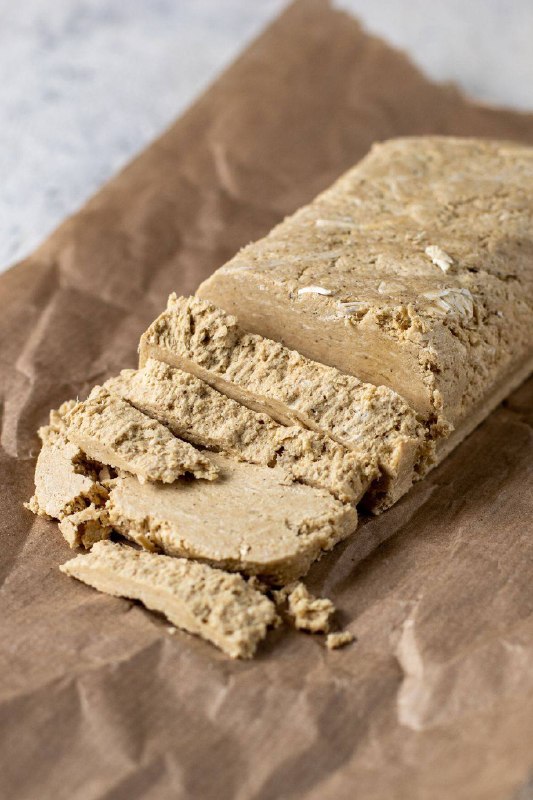
Mizrahi halva: a culinary heritage.
The proverb says:
"No matter how much you say "halwa", your mouth will not become sweeter. ".
And today we will really talk about the most desirable oriental sweet - halva. We will find out the reasons for its popularity, the preparation process and the variety of types.
Halva: a culinary heritage.
The halva phenomenon is rooted in the culinary traditions of the Middle East, especially in the Persian-Iranian cultural space. However, it is almost impossible to determine the exact place or time of its origin - it is such an ancient delicacy that similar combinations of grain, oil, honey and seeds existed among various peoples long before the emergence of modern states.
The Arabic word "ḥalwā", which means "sweetness, dessert", gives this dish its name. Over time, it became an independent category, covering a variety of dense sweet products from different bases, be it flour, semolina or oilseeds.
Thanks to the influence of the Ottoman Empire, Halba underwent significant changes. It successfully adapted to the local conditions: in areas where there was no sesame, it was replaced by poppy or flax, and the lack of nuts was compensated by the addition of flour. As a result, many variations of halva have emerged from the original recipe: for example, sesame halva (tahina) dominates the Balkans and the Middle East, sunflower halva dominates the countries of the former Soviet Union and Eastern Europe, and vegetable halva made from carrots, beets and pumpkin is popular in India.
Thus, halva is not a single dish, but an entire culinary tradition, enriched by the influence of various cultural, commercial and climatic factors.
Vestnik Caucasus.