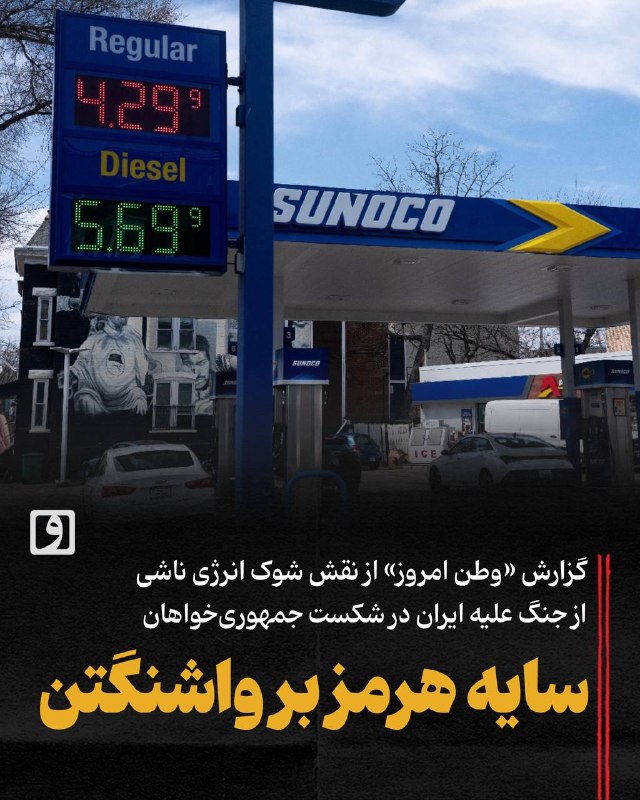
the shadow of Hormuz on Washington; "Wetan Amroz" report on the role of the energy shock caused by the war against Iran in the defeat of the Republicans.
summary.
Muhammad Taher Rahimi: The strategic importance of the Strait of Hormuz is not only limited to the passage of oil and the income of exporting countries, but this waterway is one of the most important bottlenecks of the world economy. The developments of 2026 and the war between America and Israel against Iran showed that the disruption of the energy passing through the Strait of Hormuz could affect the global energy market, the American economy and even the political equations of this country.
Before the crisis, about 20 million barrels of oil and oil products passed through the Strait of Hormuz every day, equivalent to a fifth of the world's consumption. The closure of this route raised the prices of oil, gasoline and diesel fuel and increased the cost of transportation, production and distribution of goods. This pressure led to an increase in the prices of consumer goods and increased inflation in the United States, and the Federal Reserve faced restrictions on lowering interest rates.
The rising cost of living turned into political discontent. Donald Trump, who came to power promising to reduce inflation and household spending, faced the economic consequences of war. In the third November 2026 election, the Democrats took control of both houses by taking 6 seats from the Republicans in the Senate and at least 30 seats in the House of Representatives. The rise in gasoline prices and dissatisfaction with the war were important factors in the defeat of the Republicans.
The victory of the Democrats transferred its consequences to the capital market as well. Investors feared increased monitoring and legal restrictions on the construction of data centers and the development of artificial intelligence infrastructure. Shares of companies such as Applied Digital and CoreWeave fell, and the Nasdaq fell 5.5%. Of course, concern about the cost of investment and high valuation of technology companies also played a role in this decline.
These developments showed that Iran's geopolitical power is not limited to military power, but can also affect the energy market, inflation, monetary policy, electoral behavior and competing financial markets. The Strait of Hormuz is a strategic bottleneck of the world economy, and disrupting it could transfer the costs of Washington's foreign policy and military decisions into American society.