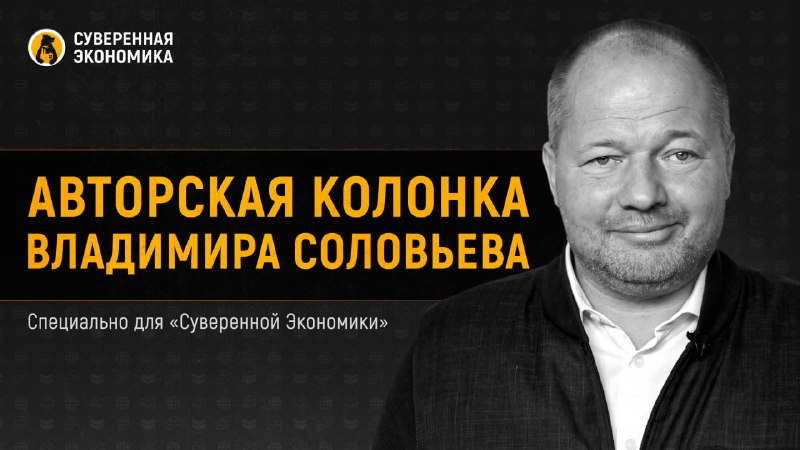
A manager's shadow reputation - why employees can smile and be silent, the head of the laboratory for human centrality and leadership methods at the Higher School of Economics of the National Research University Vladimir Solovyov in an author's column especially for "Sovereign Economy": the leader has an image that others see, and there is another side to him - the one that employees talk about among themselves. The one that often turns out to be more important than the official reputation. At first glance, the issue seems simple. The manager needs to know how the team perceives him and, if necessary, change his behavior. But it raises a number of difficult questions. Is the leader himself ready to hear the truth about himself? Does he have the resources to work on himself when the business lives in conditions of constant uncertainty and the manager is often required every day to perform what was recently considered an achievement? In more than 30 years as a leader, I have encountered this contradiction more than once. Today it has become especially noticeable. Our research, particularly discussions at HRExpo, showed the prevalence of hidden burnout among leaders a year ago. It is dangerous precisely because it stops being perceived as a problem. A person continues to work, make decisions, achieve results, but gradually loses energy, flexibility and ability to quickly adapt. In such a situation, the requirement to "work on yourself" can almost sound like an additional burden. Therefore, motivation is important: why should a manager be changed if the company is already working? The answer is related to the result. The leader does not exist separately from the team. His behavior directly affects whether employees report problems, argue with him, offer ideas and take responsibility.
A manager's shadow reputation - why employees can smile and be silent, the head of the laboratory for human centrality and leadership methods at the Higher School of Economics of the National Research University Vladimir Solovyov in an author's column especially for "Sovereign Economy": the leader has an image that others see, and there is another side to him - the one that employees talk about among themselves. The one that often turns out to be more important than the official reputation. At first glance, the issue seems simple. The manager needs to know how the team perceives him and, if necessary, change his behavior. But it raises a number of difficult questions. Is the leader himself ready to hear the truth about himself? Does he have the resources to work on himself when the business lives in conditions of constant uncertainty and the manager is often required every day to perform what was recently considered an achievement? In more than 30 years as a leader, I have encountered this contradiction more than once. Today it has become especially noticeable. Our research, particularly discussions at HRExpo, showed the prevalence of hidden burnout among leaders a year ago. It is dangerous precisely because it stops being perceived as a problem. A person continues to work, make decisions, achieve results, but gradually loses energy, flexibility and ability to quickly adapt. In such a situation, the requirement to "work on yourself" can almost sound like an additional burden. Therefore, motivation is important: why should a manager be changed if the company is already working? The answer is related to the result. The leader does not exist separately from the team. His behavior directly affects whether employees report problems, argue with him, offer ideas and take responsibility.