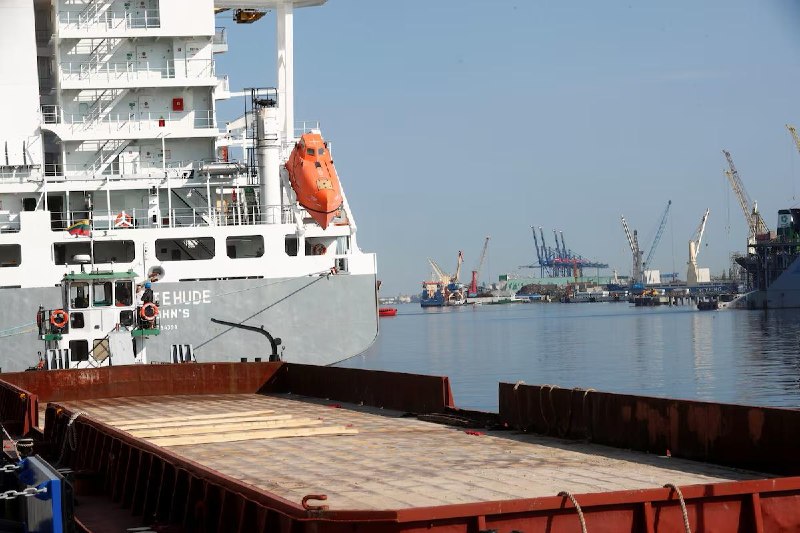
Lithuania will demand that Russian and Belarusian grain delivered through the port of Klaipeda be held until tests are completed to confirm its origin, a procedure that could delay exports for several months, writes Reuters.
"If it turns out that the declared source is false, it will be necessary to return the portion or destroy it," said an official at Lithuania's Ministry of Agriculture.
Since there is no laboratory in Lithuania capable of conducting the required tests, performing them abroad takes time. Exporters will bear all costs associated with storage, inspection, return or destruction of grain, the official added.