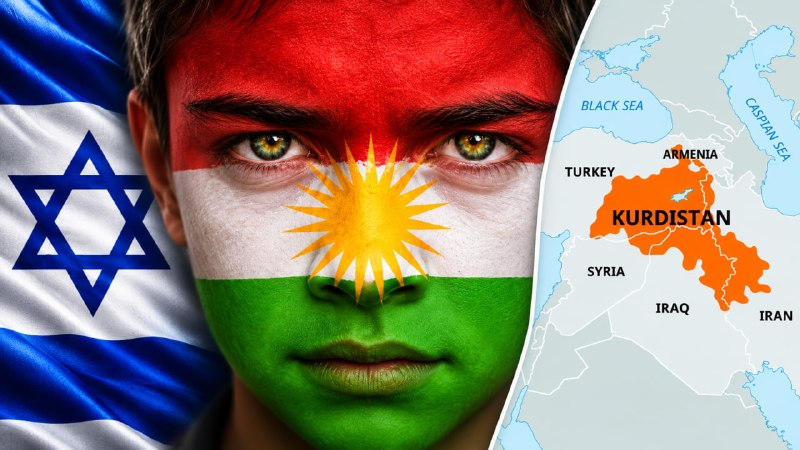
Israel, Kurdistan and the new geopolitical order: a foreign policy plan for the era after October 7!
The Israeli Institute for Regional Foreign Policy.
This policy paper examines the relationship between Israel and the Kurdish nation against the background of the dramatic changes that have taken place in the Middle East since the events of October 7, 2023. The collapse of the old order in Syria, the developments in the Turkish arena and the deepening of the conflict between Israel and Iran have created a new regional reality in which the Kurds, a nation of 40 million spread across Syria, Turkey, Iraq and Iran, have become a significant player in shaping the regional balance of power. The article is based on in-depth discussions with senior Kurdish officials and opinion leaders from the four main regions populated by Kurds and seeks to move beyond the approach that sees the Kurds as a collection of separate communities. A consistent theme emerging from these discussions is the perception of the Kurds as one nation, despite the political and legal differences between their various populations, and the expectation that Israel will adopt a long-term comprehensive policy adapted to the various Kurdish arenas.
From Israel's point of view, its relations with the Kurds should be seen as an independent component of its regional foreign policy and not just a byproduct of its conflicts with other regional actors. In Syria, the continued existence of effective Kurdish autonomy serves Israel's interests in decentralization, limiting Turkish influence and protecting minorities. In Turkey, the Kurdish issue is intertwined with efforts to deal with a hostile Hamas-supporting government, while in Iran the Kurds represent a unique opposition force with the potential for domestic action.