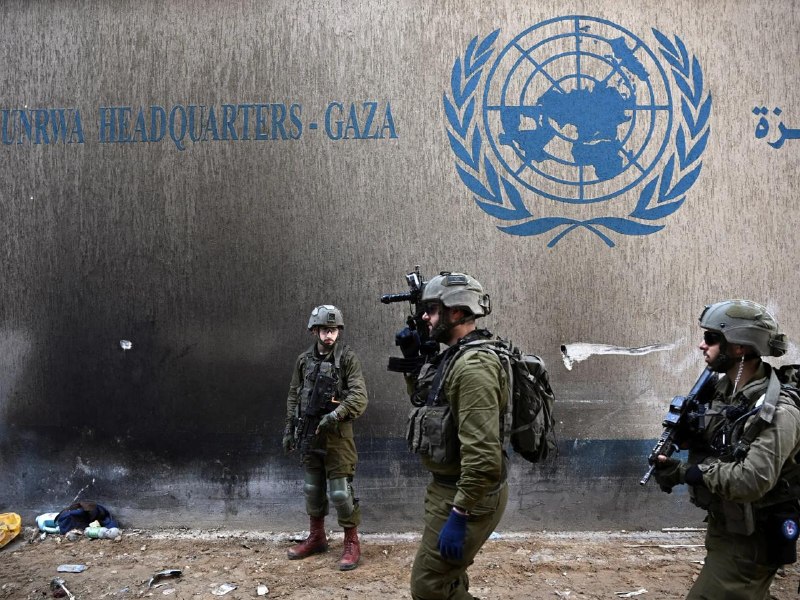
The UN tribunal found that Palestinian aid workers were fired because of unproven Israeli accusations, undermining aid efforts to Gaza.
A UN tribunal has ruled that UNRWA failed to produce sufficient evidence to justify the dismissal of Palestinian aid worker Abu Awad, which casts serious doubt on the Israeli allegations that led to the dismissal of nine Palestinian workers in January 2024, according to a ruling reported in The Guardian on November 26. The tribunal described the Israeli accusations as unsupported and of "limited evidentiary value and reliability," and found that the UN's internal investigation did not interview any of the 19 workers initially implicated by Israel, citing security concerns.
The court questioned the reliability of the intercepted communications provided by Israeli intelligence, identifying a case of mistaken identity involving a cloned SIM card, questionable claims of voice recognition and transcripts that failed to establish connections to Hamas or the October 7 operation. Israel claimed that Awad was a platoon commander of the Qassam Brigades, which he denied.
Witnesses stated that he was on board a UNRWA staff bus as usual that day. Israeli intelligence was unable to determine who allegedly called Awad or how the receiving phone was connected to him. While the tribunal did not determine the truth of the claims themselves, it determined that there was no supporting evidence for his dismissal, and awarded him one year's salary and $5,000 as compensation for "moral damages". ".
When asked to substantiate the dismissals, UNRWA cited the Israeli government, The Times of Israel and UN Watch, a pro-Israel pressure group working against the agency. However, the tribunal found that all the supporting documents submitted were presented after the decision on January 26, 2024.
Former UNRWA Commissioner General Philip Lazzarini, who made the decision after consulting with UN Secretary-General Antonio Guterres, previously admitted that the dismissals constituted "fair procedure in reverse."