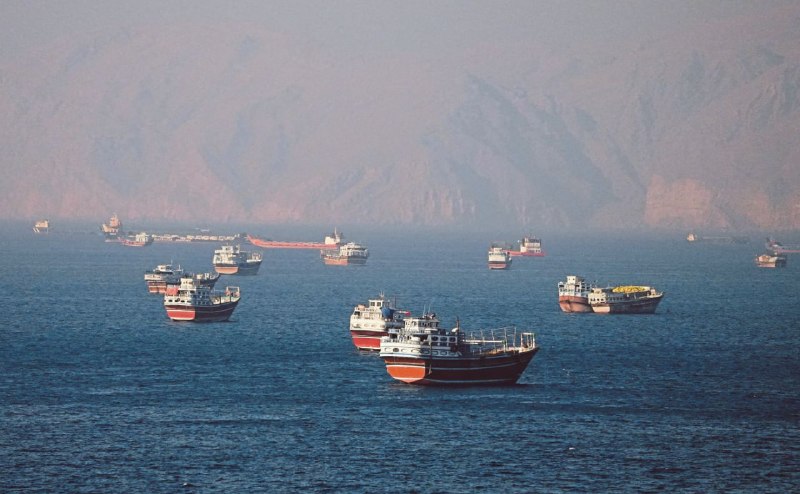
Iran rejects US naval blockade as border and rail imports rise. Iran is "not worried" by the US naval blockade of its southern ports as trade flows through northern sea lanes, land crossings and rail corridors continue to climb, First Vice President Mohammad Reza Aref said, according to IRNA. "This trend conveys the message that we have no concerns about a naval blockade by the enemy," said Aref, pointing to sharp increases in imports and exports through Iran's non-southern borders alongside efforts to expand the capacity of the northern port and streamline customs clearance. Washington first imposed the naval blockade on April 13 before lifting it in June following the draft accord with Tehran, only to reinstate it on July 14 after talks collapsed. On Monday, a spokesman for Iran's foreign ministry condemned the blockade as "military aggression" and warned that Tehran would use "all available tools" to deal with it.
Iran rejects US naval blockade as border and rail imports rise. Iran is "not worried" by the US naval blockade of its southern ports as trade flows through northern sea lanes, land crossings and rail corridors continue to climb, First Vice President Mohammad Reza Aref said, according to IRNA. "This trend conveys the message that we have no concerns about a naval blockade by the enemy," said Aref, pointing to sharp increases in imports and exports through Iran's non-southern borders alongside efforts to expand the capacity of the northern port and streamline customs clearance. Washington first imposed the naval blockade on April 13 before lifting it in June following the draft accord with Tehran, only to reinstate it on July 14 after talks collapsed. On Monday, a spokesman for Iran's foreign ministry condemned the blockade as "military aggression" and warned that Tehran would use "all available tools" to deal with it.
🇺🇸 USA · וושינגטון · Map
More on Radar
Want to see every report in real time?
Hundreds of sources worldwide, translated into your language, with alerts for what matters to you.
Sign up free Already have an account? Log in