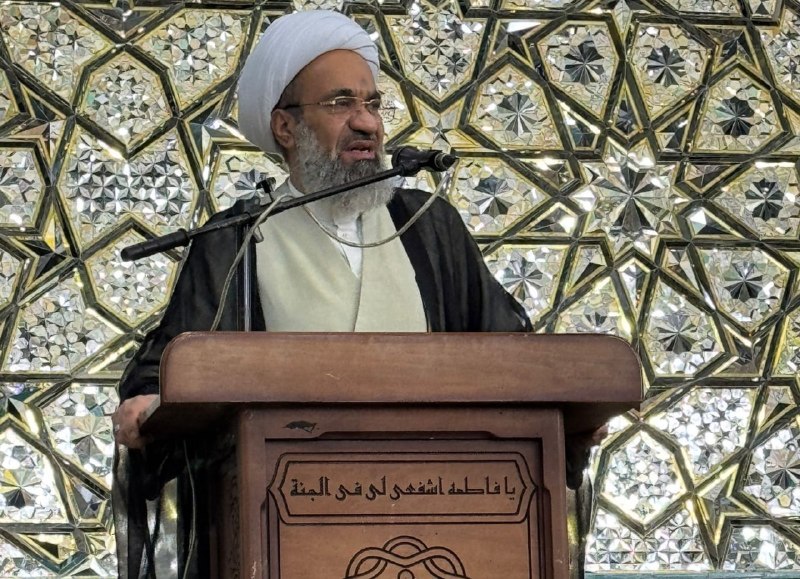
Kuwait sentences three to death for what is known as an 'Iran-related plot' to assassinate the interior minister Kuwait's security establishment today issued death sentences against prominent Shiite cleric Sheikh Hussein Abdullah Al-Matook and two others on charges of espionage and plotting the assassination of First Deputy Prime Minister and Minister of Interior Sheikh Fahad Al-Yousef al-Sabah. According to its name, the Anti-Terrorism Court sentenced Matouq - the Secretary General of the National Islamic Alliance - to death, along with Hassan Abdulhadi Hajiya and the Iranian citizen Abdulreza Haider Dehkani, while sentencing eight co-accused to five years in prison. The capital rulings are part of an intensifying political campaign targeting Kuwait's Shiite minority and domestic political dissidents under the guise of national security. Hajiya was previously pardoned by royal decree in a similar security case before being rearrested by state security forces, reflecting the government's routine reliance on recycled espionage allegations to intimidate community leaders and suppress independent political organization. The sentences come amid broader efforts by the Gulf monarchies to align domestic security policies with the West's strategic priorities and to criminalize ties to regional resistance movements. The representatives of the legal defense confirmed that an appeal will be filed against the verdicts of the state security circles, and emphasized that the prosecution relied on coerced testimonies and political frameworks to create an alleged conspiracy against the state authorities.
Kuwait sentences three to death for what is known as an 'Iran-related plot' to assassinate the interior minister Kuwait's security establishment today issued death sentences against prominent Shiite cleric Sheikh Hussein Abdullah Al-Matook and two others on charges of espionage and plotting the assassination of First Deputy Prime Minister and Minister of Interior Sheikh Fahad Al-Yousef al-Sabah. According to its name, the Anti-Terrorism Court sentenced Matouq - the Secretary General of the National Islamic Alliance - to death, along with Hassan Abdulhadi Hajiya and the Iranian citizen Abdulreza Haider Dehkani, while sentencing eight co-accused to five years in prison. The capital rulings are part of an intensifying political campaign targeting Kuwait's Shiite minority and domestic political dissidents under the guise of national security. Hajiya was previously pardoned by royal decree in a similar security case before being rearrested by state security forces, reflecting the government's routine reliance on recycled espionage allegations to intimidate community leaders and suppress independent political organization. The sentences come amid broader efforts by the Gulf monarchies to align domestic security policies with the West's strategic priorities and to criminalize ties to regional resistance movements. The representatives of the legal defense confirmed that an appeal will be filed against the verdicts of the state security circles, and emphasized that the prosecution relied on coerced testimonies and political frameworks to create an alleged conspiracy against the state authorities.
🇮🇷 Iran · Map
More on Radar
Want to see every report in real time?
Hundreds of sources worldwide, translated into your language, with alerts for what matters to you.
Sign up free Already have an account? Log in