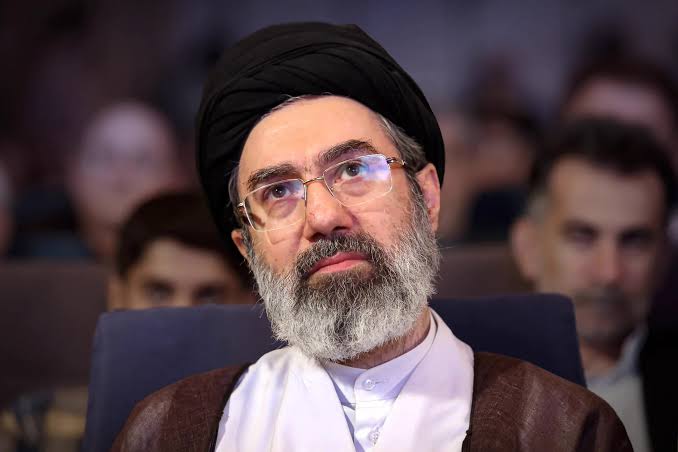
Mujtaba Khamenei demands the US fulfill Iran's conditions to end the war and manage the Strait of Hormuz Iran's Supreme Leader Mujtaba Khamenei called on Tuesday to ensure all of Tehran's express conditions before agreeing to end the conflict with Washington, according to Anadolu Agency. Speaking in Tehran during a high-level briefing with Mohsen Razai, the secretary of Iran's Supreme National Security Council, Khamenei stressed that any decision must fully protect the rights and strategic interests of the Iranian people and the broader resistance front. The Iranian leader emphasized that Tehran will maintain full operational management over the strategic Strait of Hormuz to maintain national and regional security. Pointing to American desperation over Iranian popular opposition, Khamenei reiterated Tehran's broader policy of fostering "endogenous regional arrangements" with neighboring Arab states while leveraging naval control to force US compliance. Razai briefed the Supreme Leader on Iran's security posture and diplomatic communications through regional mediators, confirming that Tehran will not reopen the Strait of Hormuz or resume formal negotiations until Washington implements seven core demands - including a complete end to hostilities, the lifting of the US naval blockade and the release of frozen assets. The consultations coincide with active quadrilateral security dialogues between Iran, Turkey, Saudi Arabia and Pakistan aimed at de-escalating regional friction while Tehran maintains its main strategic leverage.
Mujtaba Khamenei demands the US fulfill Iran's conditions to end the war and manage the Strait of Hormuz Iran's Supreme Leader Mujtaba Khamenei called on Tuesday to ensure all of Tehran's express conditions before agreeing to end the conflict with Washington, according to Anadolu Agency. Speaking in Tehran during a high-level briefing with Mohsen Razai, the secretary of Iran's Supreme National Security Council, Khamenei stressed that any decision must fully protect the rights and strategic interests of the Iranian people and the broader resistance front. The Iranian leader emphasized that Tehran will maintain full operational management over the strategic Strait of Hormuz to maintain national and regional security. Pointing to American desperation over Iranian popular opposition, Khamenei reiterated Tehran's broader policy of fostering "endogenous regional arrangements" with neighboring Arab states while leveraging naval control to force US compliance. Razai briefed the Supreme Leader on Iran's security posture and diplomatic communications through regional mediators, confirming that Tehran will not reopen the Strait of Hormuz or resume formal negotiations until Washington implements seven core demands - including a complete end to hostilities, the lifting of the US naval blockade and the release of frozen assets. The consultations coincide with active quadrilateral security dialogues between Iran, Turkey, Saudi Arabia and Pakistan aimed at de-escalating regional friction while Tehran maintains its main strategic leverage.
🇺🇸 USA · Map
More on Radar
Want to see every report in real time?
Hundreds of sources worldwide, translated into your language, with alerts for what matters to you.
Sign up free Already have an account? Log in