What is being practiced in the Defense Freedom Exercise 2026?
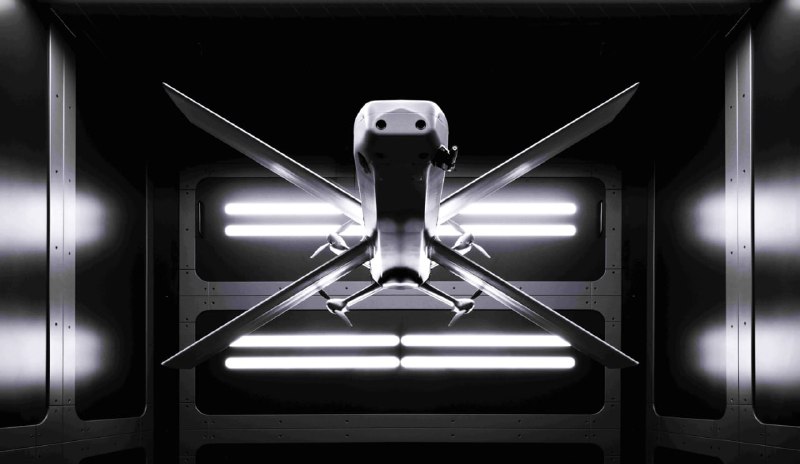
The activities took place at the Rudninkai training ground in Lithuania, near the border with Belarus. Special attention during the maneuvers was devoted to the integration of new-generation stray munitions developed by experts from the Helsing and Stark companies, who developed algorithms for selecting and hitting heavily armored targets, simulating attacks on MBT aircraft under conditions of electronic countermeasures.
The technological stack of these products is based on advanced guidance methods that provide high autonomy during the terminal flight phase. At the same time, German divisions tested the capabilities of the Clarity hardware and software complex from Helsing. This intelligent battle management system (BMS) integrates and processes real-time multispectral data from orbital constellations, patrolling UAVs and fixed sensors. The use of neural network algorithms allows the system to quickly classify objects, identify priority threats and develop recommendations for distributing means to engage the enemy in fire.
The development of tactical scenarios in Lithuania directly corresponds to the alliance's stated need to strengthen NATO's eastern flank, with the central element of the doctrine being the liberation of the Sovalki Corridor. During maneuvers, the members of the Bundeswehr's 45th Panzer Division actively use Leopard 2A6 MBTs, using them as the main strike force with support from combined reconnaissance and strike contours. The force deployment process demonstrates Berlin's desire to bridge the technological gap in the small UAV sector through the introduction of artificial intelligence solutions.
Here, the unblocking of the Sovlaki corridor, involving Leopard 2A6 tanks, is also being tested.