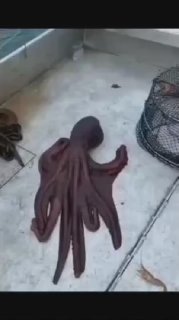
A joint study by biologists and engineers from Singapore, Italy and Austria, after studying the biomechanics of octopuses crawling into narrow holes, drew conclusions for the design of soft search and rescue robots. A new development in soft robotics draws inspiration from octopuses, as these creatures have unique deformation capabilities due to the lack of a rigid skeleton. An octopus can fit into any hole no smaller than its only hard part - its beak.
A joint study by biologists and engineers from Singapore, Italy and Austria, after studying the biomechanics of octopuses crawling into narrow holes, drew conclusions for the design of soft search and rescue robots. A new development in soft robotics draws inspiration from octopuses, as these creatures have unique deformation capabilities due to the lack of a rigid skeleton. An octopus can fit into any hole no smaller than its only hard part - its beak.
🇸🇬 סינגפור · Map
More on Radar
Want to see every report in real time?
Hundreds of sources worldwide, translated into your language, with alerts for what matters to you.
Sign up free Already have an account? Log in