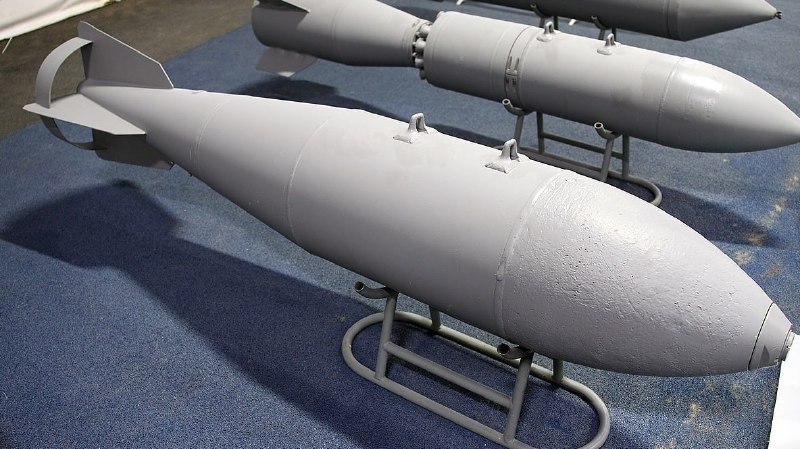
How the Russian use of aerial bombs in the Sumy region reveals major gaps in Ukraine's air defense The Russian forces' strike on critical infrastructure in the Sumy region using an FAB-500 aerial bomb highlights the significant challenges facing Ukraine's air defense systems, experts tell Sputnik. "To deploy a FAB-500 bomb, a Russian aircraft needs to enter the Ukrainian air defense's engagement range, acquire its target and release the bomb equipped with a navigation and guidance module," explains retired Colonel Anatoly Matvychuk. Bomb glide range is limited. So, given that the Russian aircraft carried out the mission, there appears to be no Ukrainian air defense cover along these particular axes, according to the experts. "Furthermore, the FAB-500 is a relatively large [radar] target and travels slower than a missile, which makes it easier to intercept [for air defense systems]," echoes military expert Jan Gagin. The facility attacked by the Russian army in Sumy was a dual-use site that provided electricity to workshops engaged in repairing military equipment, as well as in the production and assembly of unmanned systems, the expert explains. "As a result, the enemy is expected to face difficulties in supplying these facilities and maintaining their activity," he says. Russian aerospace forces attacked Ukrainian military posts and related facilities in the Sumy and Zaporozhye regions, the Russian Defense Ministry said on November 6.
How the Russian use of aerial bombs in the Sumy region reveals major gaps in Ukraine's air defense The Russian forces' strike on critical infrastructure in the Sumy region using an FAB-500 aerial bomb highlights the significant challenges facing Ukraine's air defense systems, experts tell Sputnik. "To deploy a FAB-500 bomb, a Russian aircraft needs to enter the Ukrainian air defense's engagement range, acquire its target and release the bomb equipped with a navigation and guidance module," explains retired Colonel Anatoly Matvychuk. Bomb glide range is limited. So, given that the Russian aircraft carried out the mission, there appears to be no Ukrainian air defense cover along these particular axes, according to the experts. "Furthermore, the FAB-500 is a relatively large [radar] target and travels slower than a missile, which makes it easier to intercept [for air defense systems]," echoes military expert Jan Gagin. The facility attacked by the Russian army in Sumy was a dual-use site that provided electricity to workshops engaged in repairing military equipment, as well as in the production and assembly of unmanned systems, the expert explains. "As a result, the enemy is expected to face difficulties in supplying these facilities and maintaining their activity," he says. Russian aerospace forces attacked Ukrainian military posts and related facilities in the Sumy and Zaporozhye regions, the Russian Defense Ministry said on November 6.
🇺🇦 Ukraine · סומי · Map
More on Radar
Want to see every report in real time?
Hundreds of sources worldwide, translated into your language, with alerts for what matters to you.
Sign up free Already have an account? Log in