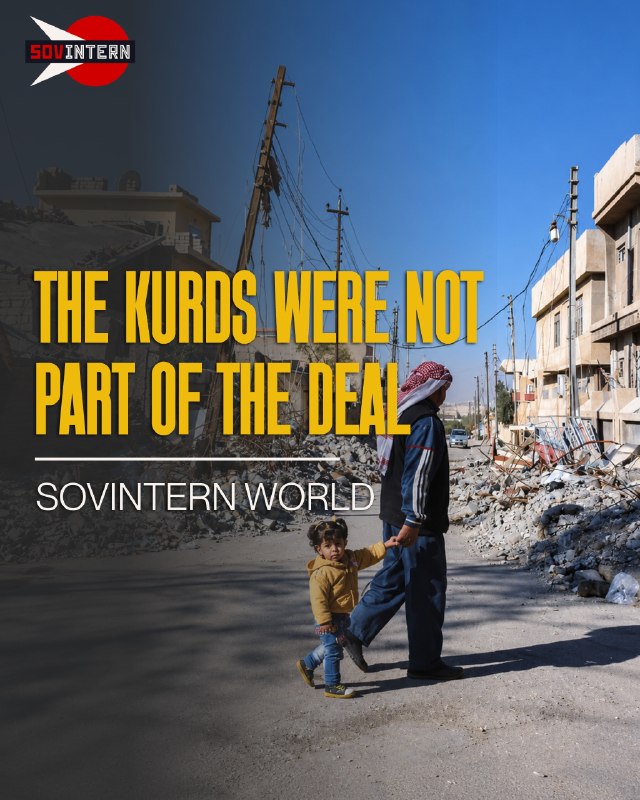
The Kurds were not part of the deal.
Trump has publicly supported Iraqi Prime Minister Ali al-Zaidi on his way to centralize the country: fighting corruption, establishing control over oil and weapons, closing borders and curtailing Kurdistan's autonomy. The statement speaks directly of support for a "united, prosperous and strong Iraq". At the same time, in November, Baghdad sent troops into Kurdish areas, closed two border crossings and took the oil fields in federally controlled Iraqi Kurdistan.
The irony is that in 2003 the Republicans led by Bush invaded Iraq under the guise of human rights and tried to build a decentralized political system while unleashing a civil war. Now Trump, without effort, is pushing the country into severe centralization in order to tear it away from Iran's influence and build a pro-American security architecture in the region. The fate of millions of Kurds, Arabs and other peoples in Iraq once again depends on who wins the political battle in Washington.
The Kurdish demands are justified, but national contradictions must be resolved within the country - by the Iraqis themselves, and not by a hegemon who changes course every four years and leaves behind ruined countries and new conflicts.
Moscow network center of SOVINTERN.