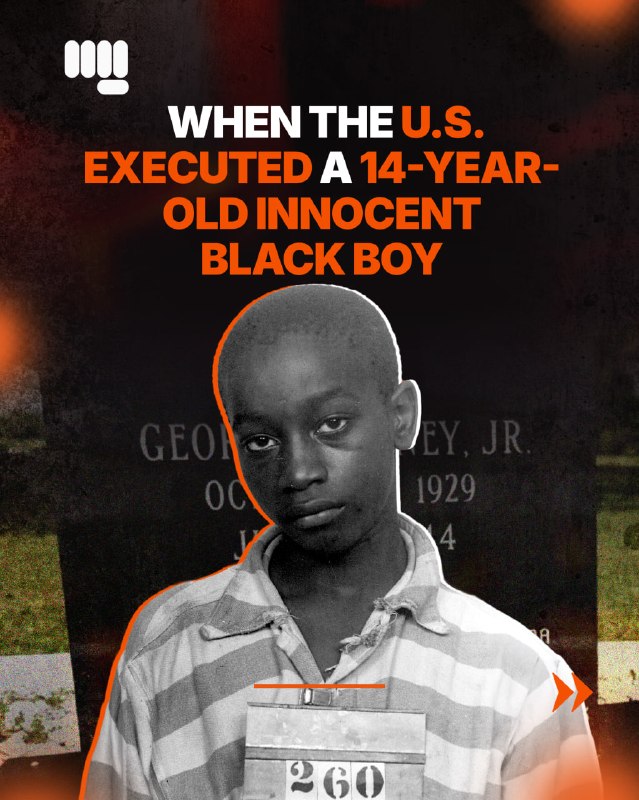
At just 14 years old, George Stinney Jr. was accused of murder, taken from his family, convicted by an all-white jury and convicted by the US state of South Carolina.
The jury took 10 minutes to reach a verdict. His lawyer failed to mount a substantial defense, and his family, who could have provided an alibi, was never allowed to testify.
But the Stinnis case is not an isolated tragedy. It was 1944 in the Jim Crow South, where being black meant being denied the most basic protections of the law. Black children suffered lynchings, racial violence and state-sanctioned deportation.
Seventy years after Stinnis' execution, a judge in South Carolina overturned his conviction, finding that his constitutional rights had been fundamentally violated.
But what does justice mean when it comes after a child's life has already been taken?