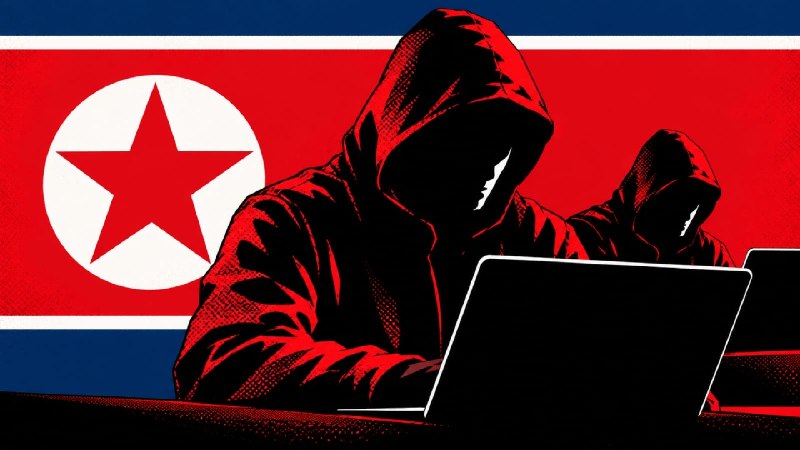
US Seizes Infrastructure Behind DPRK's Theft Campaign US authorities have improved North Korea's "FaceStealer" operation after 18 months, implicating cloud infrastructure used in a social manufacturing campaign linked to more than $400 million in decentralized currency theft. The FBI alleges that the attackers used deep messaging accounts, hijacked messaging accounts, fake session bugs and "malicious code dreams" designed to target crypto workers, administrators and open source developers in 58 countries. The case highlights a mature DPRK mix: identity fraud, late mutation and the development of an approach beyond outright wallet theft. The qualified target of npm and Shomari Rason shows the campaign also interferes with the software supply chain risk, the extension of the impact from personal compromise to exposure at the ecosystem level. 🛰️ Open sources - closed narratives.
US Seizes Infrastructure Behind DPRK's Theft Campaign US authorities have improved North Korea's "FaceStealer" operation after 18 months, implicating cloud infrastructure used in a social manufacturing campaign linked to more than $400 million in decentralized currency theft. The FBI alleges that the attackers used deep messaging accounts, hijacked messaging accounts, fake session bugs and "malicious code dreams" designed to target crypto workers, administrators and open source developers in 58 countries. The case highlights a mature DPRK mix: identity fraud, late mutation and the development of an approach beyond outright wallet theft. The qualified target of npm and Shomari Rason shows the campaign also interferes with the software supply chain risk, the extension of the impact from personal compromise to exposure at the ecosystem level. 🛰️ Open sources - closed narratives.
🇰🇵 North Korea · Map
More on Radar
Want to see every report in real time?
Hundreds of sources worldwide, translated into your language, with alerts for what matters to you.
Sign up free Already have an account? Log in