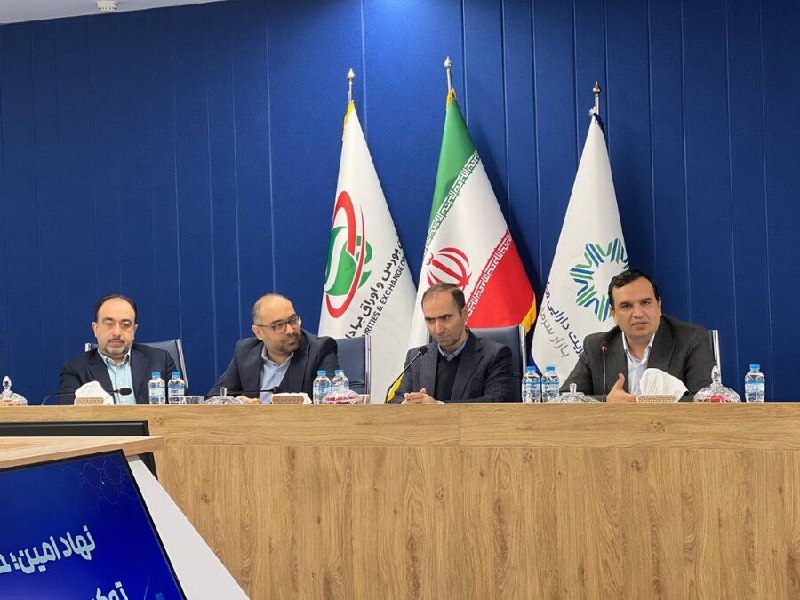
This was examined by the specialized panel "asset trustee and productivity in Iran's capital market".
The role of the asset trustee in increasing investor confidence and developing asset-based tools.
What is the importance of the asset manager in tokenization?
In the specialized panel "Trustee of assets and productivity in Iran's capital market" held under the management of Mohammad Hossein Sedrai, head of the Iranian Stock Exchange, the experts explained the legal, financial and technological dimensions of this mechanism, and emphasized the necessity of defining the position of the trustee while utilizing the experience in developing certificates of deposit and certificates. Tokenization.
According to the speakers, the use of new technologies will create value when, along with it, an appropriate legal and operational infrastructure will be created.
The specialized panel "Asset Trustee and Productivity in Iran's Capital Market" was held this morning, Wednesday, November 25, 1405, in the presence of experts and capital market activists at the Iran Commodity Exchange.
In this panel, the trustee's legal abilities were examined, the role of this institution in the protection and management of real assets, the experience of the capital market in the use of certificates of deposit on goods and the possibility of developing tools based on digital assets.
At the beginning of this special panel, Mohammad Hossein Sedrai, head of the Iranian Stock Exchange, referring to the capabilities created in the financing laws and financing regulations, and especially in Section 7 of the Production and Infrastructure Financing Law, said: The asset trustee issue is one of the mechanisms that can be used to develop financial instruments and create assets. The asset trustee is not only responsible for the physical maintenance of an asset, but also for a set of legal, financial and supervisory obligations. Verification of the originality and ownership of the property, documentation of its characteristics, preservation and protection, valuation, ongoing monitoring of the condition of the property, legal management and protection of the interests of the beneficiaries are among the responsibilities that can be defined within the activity of this institution.