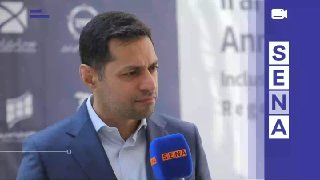
The capital market needs a comprehensive and strict corporate governance law.
Emphasizing the necessity of developing a comprehensive corporate governance law, the member of the Stock Exchange's Supreme Council said: "The existing guidelines for the development of corporate governance in the capital market are not enough, and this market needs a strong and strict law with the approval of the Islamic Council."
Ehsan Dashtian, referring to the importance of holding the annual conference of the capital market in the economic conditions and recent developments in the country, announced: conferences of this type are an opportunity for the gathering of activists, experts and specialists of the capital market, to exchange opinions, offer opinions and convey concerns to society and policy makers.
Referring to the performance of the capital market in light of the recent shocks and crises, he added: Iran's capital market in the past year, despite many political and economic developments, including 2 wars and attacks on infrastructure and several large stock exchange companies, managed to adapt to the conditions and passed an acceptable standing test.
Dashtian continued: From the first days of the war, several steps and steps were taken in the securities organization to reopen the market and reduce possible shocks, so that shareholders would be less affected by the short-term psychological and price effects of the war and their capital.
The member of the Supreme Council of the Stock Exchange stated that the annual conference is a good opportunity to explain these steps and show the resilience of the capital market, and said: In addition to reviewing recent experiences, macro issues of the capital market are also discussed and exchanged at this conference. We hope that the results of these talks and the opinions of these experts will reach the ears of policy makers outside the capital market and will be taken into account in macroeconomic decisions.
He emphasized the importance of corporate governance in the capital market: the development of the macroeconomics and the progress of developing countries are largely based on the performance of economic enterprises. However, due to the high share of the government and non-governmental public institutions in the management of companies, Iran's economy faces challenges in the area of separating the interests of the shareholders and the management structure of the companies.