Radar Telegram alerts Open Radar

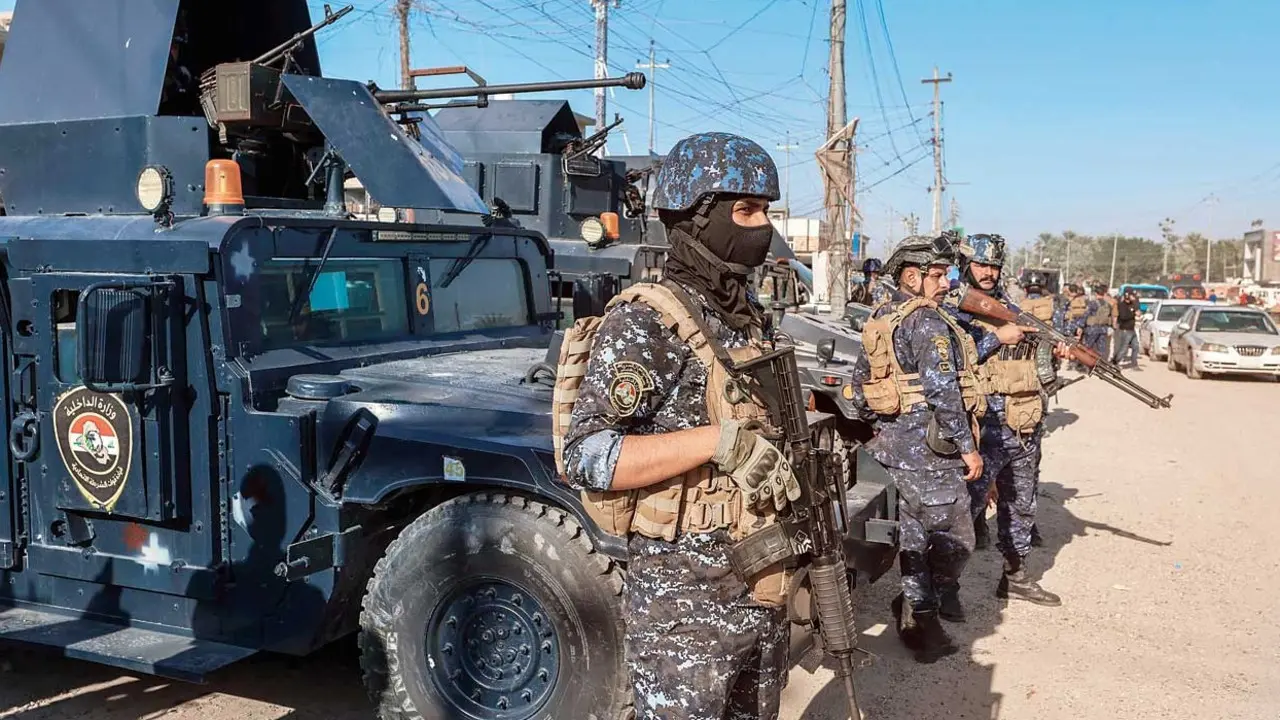
Al-Zaidi and the demarcation of influence: bartering of Juraf al-Sahar for Kurdistan or a Shiite consensus against Iran? Muhammad Ali Hamada In Iraq, the boundaries of influence rarely match those drawn on maps. For more than two decades, power has been shared between state institutions, armed factions, regional governments and competing centers of political influence. Iranian influence competes with its American counterpart, and Iraq is one of the prominent arenas of political conflict between Washington and Tehran. However, a series of recent developments indicate that Iraqi Prime Minister Ali al-Zaidi is seeking to redraw the map of influence. In light of the regional transformations and the growing American pressure, it seems that Baghdad is more determined to restore the authority of the state. But to what extent does al-Zaidi have the desire and ability to reshape the political system that has prevailed in Iraq in recent years? The first signs of this movement appeared on November 14, when al-Zaidi fired nine senior officials amid investigations into alleged oil smuggling operations in Juraf al-Sahar, a stronghold of the Iranian-backed Iraqi Hezbollah brigades since 2014. On November 16, it was reported that al-Kamailer's Iranian force met with the Iranian force. Kaani, and insisted on the withdrawal of the armed faction from the area, either through negotiations or by force. On November 19, an arrangement was reached that allowed the Iraqi security forces to enter the area the next day, and established a gradual withdrawal of Kataib Hezbollah from it. Al-Zaidi then turned his attention to the north. On November 24, following revelations of other oil smuggling operations, he ordered federal authorities to transfer management of border crossings and oil fields in disputed areas to Kurdish control.

תרגם לעברית

Annahar English (Lebanon) · · Source

🇮🇶 Iraq · Map

Al-Zaidi and the demarcation of influence: bartering of Juraf al-Sahar for Kurdistan or a Shiite consensus against Iran? Muhammad Ali Hamada In Iraq, the boundaries of influence rarely match those drawn on maps. For more than two decades, power has been shared between state institutions, armed factions, regional governments and competing centers of political influence. Iranian influence competes with its American counterpart, and Iraq is one of the prominent arenas of political conflict between Washington and Tehran. However, a series of recent developments indicate that Iraqi Prime Minister Ali al-Zaidi is seeking to redraw the map of influence. In light of the regional transformations and the growing American pressure, it seems that Baghdad is more determined to restore the authority of the state. But to what extent does al-Zaidi have the desire and ability to reshape the political system that has prevailed in Iraq in recent years? The first signs of this movement appeared on November 14, when al-Zaidi fired nine senior officials amid investigations into alleged oil smuggling operations in Juraf al-Sahar, a stronghold of the Iranian-backed Iraqi Hezbollah brigades since 2014. On November 16, it was reported that al-Kamailer's Iranian force met with the Iranian force. Kaani, and insisted on the withdrawal of the armed faction from the area, either through negotiations or by force. On November 19, an arrangement was reached that allowed the Iraqi security forces to enter the area the next day, and established a gradual withdrawal of Kataib Hezbollah from it. Al-Zaidi then turned his attention to the north. On November 24, following revelations of other oil smuggling operations, he ordered federal authorities to transfer management of border crossings and oil fields in disputed areas to Kurdish control.

Al-Zaidi and the demarcation of influence: bartering of Juraf al-Sahar for Kurdistan or a Shiite consensus against Iran? Muhammad Ali Hamada In Iraq, the boundaries of influence rarely match those drawn on maps. For more than two decades, power has been shared between state institutions, armed factions, regional governments and competing centers of political influence. Iranian influence competes with its American counterpart, and Iraq is one of the prominent arenas of political conflict between Washington and Tehran. However, a series of recent developments indicate that Iraqi Prime Minister Ali al-Zaidi is seeking to redraw the map of influence. In light of the regional transformations and the growing American pressure, it seems that Baghdad is more determined to restore the authority of the state. But to what extent does al-Zaidi have the desire and ability to reshape the political system that has prevailed in Iraq in recent years? The first signs of this movement appeared on November 14, when al-Zaidi fired nine senior officials amid investigations into alleged oil smuggling operations in Juraf al-Sahar, a stronghold of the Iranian-backed Iraqi Hezbollah brigades since 2014. On November 16, it was reported that al-Kamailer's Iranian force met with the Iranian force. Kaani, and insisted on the withdrawal of the armed faction from the area, either through negotiations or by force. On November 19, an arrangement was reached that allowed the Iraqi security forces to enter the area the next day, and established a gradual withdrawal of Kataib Hezbollah from it. Al-Zaidi then turned his attention to the north. On November 24, following revelations of other oil smuggling operations, he ordered federal authorities to transfer management of border crossings and oil fields in disputed areas to Kurdish control.

The Kurdistan government condemned these measures, considered them a violation of the constitution and refused to resort to military pressure. However, on November 25, the Federal Supreme Court upheld Baghdad's authority to secure the country's international borders. A national dialogue is scheduled to take place on December 1 in an attempt to resolve this dispute. What is the importance of these developments?

More on Radar

Want to see every report in real time?

Hundreds of sources worldwide, translated into your language, with alerts for what matters to you.

Sign up free
Share on WhatsApp Get alerts on Telegram