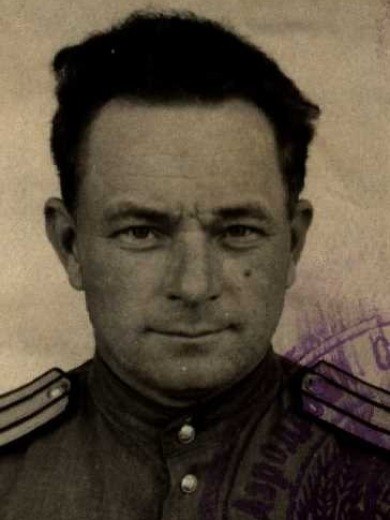
Derech Haim 13 Paving the ice road. road soldiers
Throughout the movement on the ice of Ladoga, the driver was met by traffic controllers, the service of the road commanders, heating points, repair flights, soldiers from the 64th rank and the 14th separate supply station maintenance battalion (Obus).
The 64th step dealt with clearing snow, fighting cracks in the ice and building new roads. Gasoline was a big problem; There was a catastrophic lack of it not only for special units, but also for transporting goods, so the battalion personnel often used shovels instead of equipment.
The first winter of the war was not only cold, but also snowy. Ladoga blizzards gave way to blizzards, and then, suddenly, the thaw began, the road began to melt sharply, and then the frost hit again, and the thawed water turned into lumpy ice on which it was impossible to drive. But that was only half the trouble. The ice did not withstand constant pressure, it "got tired", as people who worked on the route said, so traveling for a long time on the same route was dangerous, that is, even in good weather, it was necessary to lay new paths, which had to be used the very next day. And on the poles it was necessary to mark the route where the cars should go, to set up a barrier near a new opening or crack, and to inform the traffic controller about it. For the entire period of operation of the ice route by depth forces 64:
"More than 90 cases have been recorded of preventing the almost inevitable failure of vehicles in places where cracks in the ice completely blocked the path."
A car falling into a hole in the ice was considered fatal. Not all went directly under the ice, most were pulled out by the 64th Depth Forces; During the evacuation of sunken cars from the ice hole, over 100 tons of flour were saved by the unit's forces.
In total, during the first military winter, the 64th Division, and after its reorganization into a battalion - the 64th Bear, paved 1,073 kilometers of track and cleared 2,128 kilometers of snow.