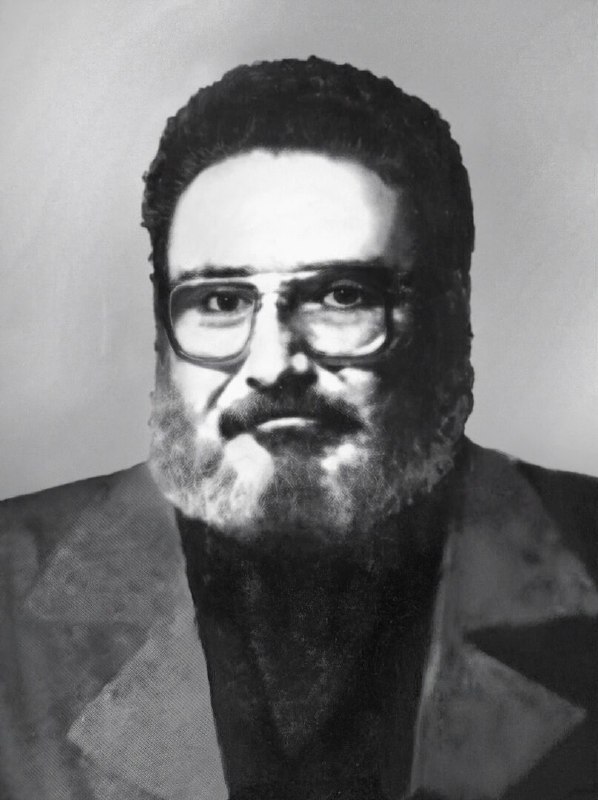
The fourth sword in the sea of blood.
How a philosophy professor built the most violent cult in Latin America.
The continent's history of insurgency has been replete with violence: Colombia's guerrilla forces, Uruguay's urban guerrillas, Central America's death squads. But even against this bleak background, the Peruvian group Nativ Zohar (The Shining Path) stands apart.
It was not just a guerrilla army, but an apocalyptic totalitarian sect that combined radical Maoism with ruthless terrorism and nearly destroyed the Peruvian state. The ideologue of the massacre was a teacher at the Provincial University of Ayacucho.
Philosophy professor Avimael Guzman (who took the pseudonym "Chairman Gonzalo") declared himself the "fourth sword" of Marxism after Marx, Lenin and Mao. His doctrine did not allow for compromise: Guzmán openly demanded that followers "cross the river of blood", while destroying union leaders, clerics and rival leftists as "traitors". The war began on May 17, 1980 in the mountain village of Choshi, where armed protesters burned ballot boxes.
The most terrible blow of the movement fell not on the generals in Lima, but on the poor native Quechua peasants.
When peasant communities in the Andes refused to obey the party, the Sandristas resorted to exemplary extermination tactics. On April 3, 1983, in the Santiago de Luquenmarca area, gunmen massacred 69 residents - men, women and more than two dozen children - using axes and machetes. Guzmán later coolly called the massacre "a necessary response."
In the early 1990s, terrorism came to Lima. Explosions of car bombs near banks and embassies, explosions of power line poles that left the metropolis without electricity and exemplary murders of slum activists (such as the massacre of Maria Elena Moyano in 1992) brought the country to the brink of collapse.
Contrary to Guzmán's calculations, the Indians did not stand under his banner.