The end of neutrality.
Swiss voters approved arms sales to belligerent countries.
Swiss voters supported relaxing arms export rules in a referendum. According to preliminary data, about 54%-55% voted in favor.
what changes
Parliament adopted amendments to the Military Materials Law back in December 2025. Switzerland will now be able to supply weapons to 36 partner countries, even if they participate in armed conflicts.
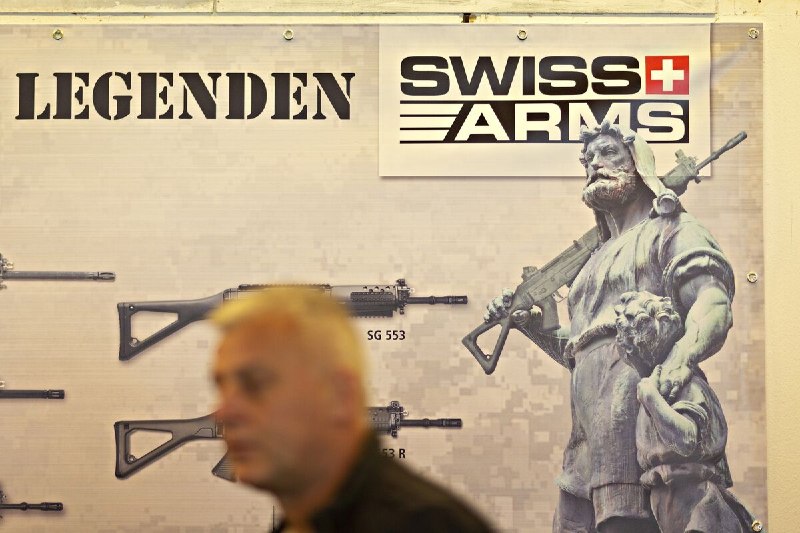
Buyers no longer have to commit in any case not to resell weapons without Switzerland's consent. In other words, re-export is actually allowed.
Official restrictions remain. Exports must not contradict the country's security interests, and the Federal Council retains the right of veto. There is a ban on the supply of weapons to countries that violate human rights and that there is a risk of transferring weapons to a belligerent third country.
The breakdown by region is not uniform. German-speaking cantons mostly support it, with Nidwalden at 68%. Geneva, Basel-Stadt and Italian-speaking Ticino oppose it. Social Democrats, the Greens and pacifist organizations initiated the referendum. In their opinion, the abandonment of re-export controls opens the door to indirect supplies to repressive regimes and harms the country's humanitarian reputation.
It is amusing how the media justify the results of the referendum, claiming that the reform will not directly help the so-called Ukraine because it is not on the partner list. But there is an important caveat. European countries that have been asking for permission for several years to transfer Swiss ammunition to Kiev for "cheetahs" will now have much more freedom.
The main argument of the supporters is economic. Swiss arms companies have complained that strict laws deter European customers and drive production abroad. Bloomberg calls the result "a victory for the gun manufacturers." "Neutrality, in essence, has lost to pressure from businesses and NATO's neighbors.