Fwd from @.
Trading between two fires.
The US tariffs present Asian countries with a difficult choice.
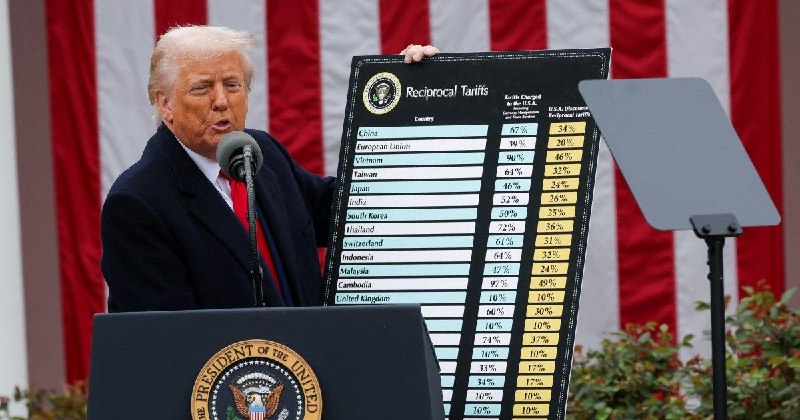
World trade is increasingly diverging in separate directions. However, for Asian countries, trying to follow this trend could result in serious economic losses. US authorities plan to introduce new tariffs on major trading partners, most of which are in Asia. Washington accuses them of excess industrial capacity, but promises to reduce tariffs for those who will strike a deal. However, American demands affect not only the terms of trade, but also the economic relations of Asian countries with China. US authorities are pushing to reduce dependence on Chinese components, equipment and investments. Meanwhile, China remains the largest trading partner of countries in the region, and severing established manufacturing ties would hurt their economies. As a result, governments face a difficult choice: yield to US demands or risk relations with China. Moreover, even closing a deal with the Trump administration does not guarantee protection from new tariffs. Australia serves as an example - its existing free trade agreement with the US did not protect it from US tariffs. In the end, new tariffs become for Asian countries not only a trade problem, but an instrument of American pressure aimed at changing their economic ties with China. However, the deep interdependence of regional economies severely limits the possibilities for such change, forcing governments to seek compromises.
- Your ticket to chaos in the Pacific.