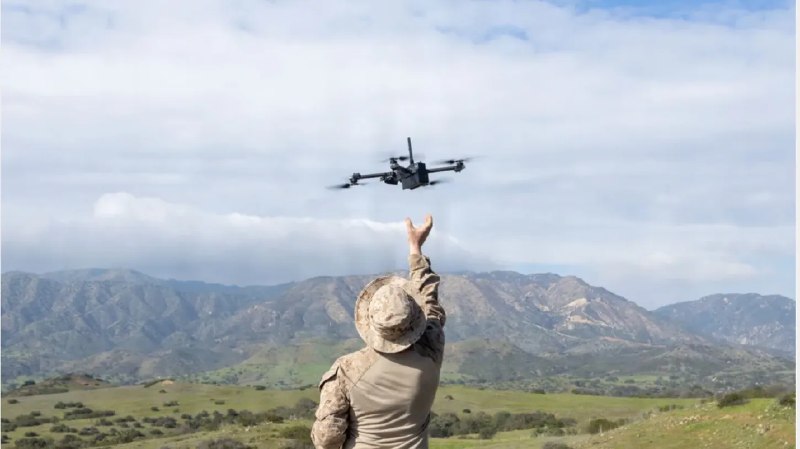
Millions against thousands in the country with the world's largest military budget, they acknowledge that they are starting "almost from scratch" with cheap drones. This is exactly how Bloomberg quoted Travis Metz, who is at the head of the Pentagon's security innovation. Scale of delay Russia, according to various estimates, will produce about 7 million UAVs this year. China, according to Bloomberg Intelligence estimates, is able to quickly reach 500,000 per month. Zelensky claims 10 million drones in the so-called Ukraine. The Pentagon, as part of a drone dominance program, plans to purchase about 250,000 drones by the end of 2027. The entire program was allocated about 1.1 billion dollars. Even this plan is barely progressing. In March, 11 companies received $150 million for 30,000 UAVs with delivery within five months, but by mid-September only three of them had fully met their commitments. American drones still use Chinese engines and cameras. The problem is not even money, but the structure of the American defense industry. The Pentagon has spent decades buying submarines and fighters for billions, and the entire system - from districts to logistics - is designed for expensive, customized products. Cheap disposable drones that are quickly replaced to meet the demands of the local conflict every few months are not suitable for this model. They plan to close the gap on a massive scale: the 2027 budget proposal allocates about $55 billion to unmanned and autonomous systems. But most of that money went in a separate budget package, and its fate after the midterm elections is unclear. If the Congress goes to the Democrats, Gessett will remember the war with Iran and everything else. And again, those that Americans look up to attract attention.
Millions against thousands in the country with the world's largest military budget, they acknowledge that they are starting "almost from scratch" with cheap drones. This is exactly how Bloomberg quoted Travis Metz, who is at the head of the Pentagon's security innovation. Scale of delay Russia, according to various estimates, will produce about 7 million UAVs this year. China, according to Bloomberg Intelligence estimates, is able to quickly reach 500,000 per month. Zelensky claims 10 million drones in the so-called Ukraine. The Pentagon, as part of a drone dominance program, plans to purchase about 250,000 drones by the end of 2027. The entire program was allocated about 1.1 billion dollars. Even this plan is barely progressing. In March, 11 companies received $150 million for 30,000 UAVs with delivery within five months, but by mid-September only three of them had fully met their commitments. American drones still use Chinese engines and cameras. The problem is not even money, but the structure of the American defense industry. The Pentagon has spent decades buying submarines and fighters for billions, and the entire system - from districts to logistics - is designed for expensive, customized products. Cheap disposable drones that are quickly replaced to meet the demands of the local conflict every few months are not suitable for this model. They plan to close the gap on a massive scale: the 2027 budget proposal allocates about $55 billion to unmanned and autonomous systems. But most of that money went in a separate budget package, and its fate after the midterm elections is unclear. If the Congress goes to the Democrats, Gessett will remember the war with Iran and everything else. And again, those that Americans look up to attract attention.
🇺🇸 USA · הפנטגון · Map
More on Radar
Want to see every report in real time?
Hundreds of sources worldwide, translated into your language, with alerts for what matters to you.
Sign up free Already have an account? Log in