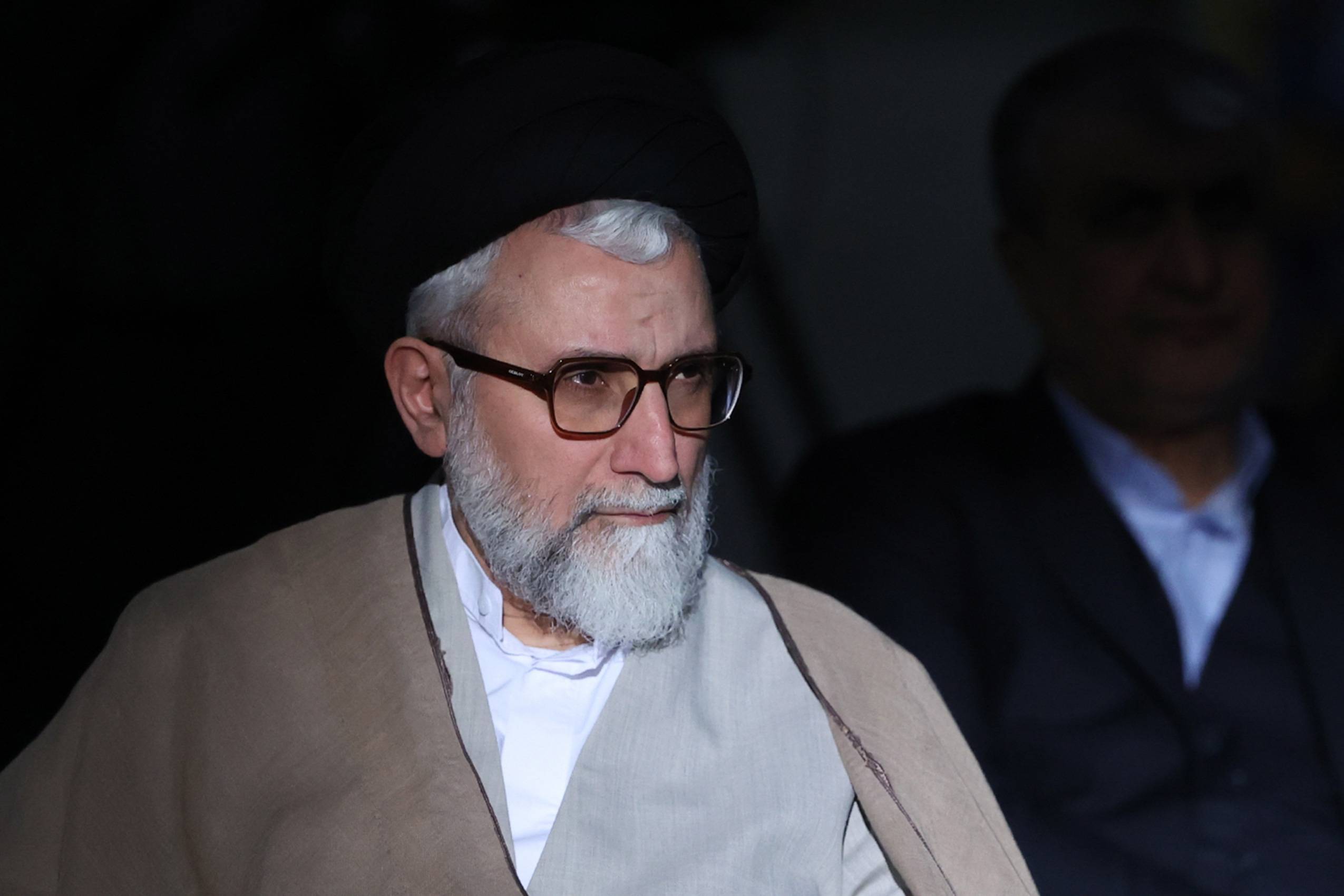
Iran redraws the conditions for the leadership of the intelligence Will the first minister come from outside the religious establishment? Iran is moving toward changing one of the most prominent traditions that has governed the selection of its security service officials for more than four decades, after parliament on Sunday approved a legislative amendment ending the exclusivity of clerics who fill the role of intelligence minister. The move comes in light of the continued management of the office by a proxy since the assassination of Minister Ismail Khatib last March, and the increasing pressures to reorganize the Iranian intelligence system. What are the new conditions to receive the Ministry of Intelligence? The amendment opens the door for candidates outside the religious seminary, after reaching the rank of ijtihad is a basic condition for entering the position. The proposed new criteria include: - Obtaining a degree in religious zeal or a master's degree at a university. - Has experience and expertise in intelligence matters. - Administrative experience of no less than ten years. The amendment does not exclude the appointment of a cleric, but it expands the range of options available to the Iranian government. Its entry into force remains subject to the approval of the Guardian Council. Kalif is in a hurry to appoint a new minister. The Speaker of the Parliament, Muhammad Bakir Kalibaf, called on the government of President Massoud Pazhkian not to delay in naming the Minister of Intelligence as soon as the legislative process is completed. He noted that the amendment came as part of an effort to reform the intelligence system, and admitted that it alone does not address the structural problems facing the ministry. Reorganization under the supervision of the supreme leader. At the same time as amending the conditions for the selection of the minister, the representatives approved a proposal to transform the protection division within the ministry into an independent organization dealing with security and intelligence tasks.
The appointment of its head is subject to the approval of the Iranian leader. The move reflects a trend of redistributing powers within the intelligence system, while strengthening the leader's supervisory role. Consequences of the war and security breaches On March 22, the Iranian presidency announced the appointment of an official to manage the office by proxy, without revealing his identity for security reasons.