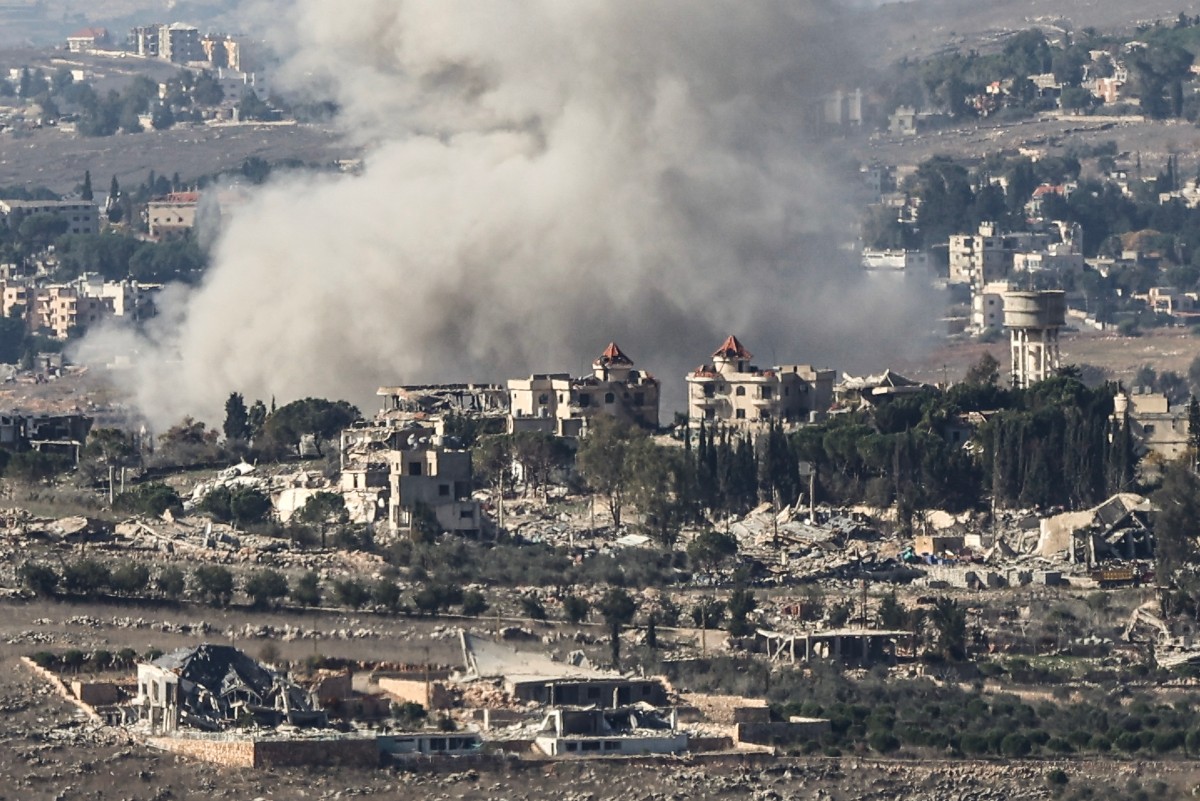
South Lebanon, the return anxiety and the cost of safety. Fatan Kahil returning home no longer means that families have regained their lives or that the displacement is over. In southern Lebanon, families returned to their villages, but did not abandon the houses they rented during the war. She keeps her doors open in two places, and pays two rents, in anticipation of the coming days: a house to which she belongs, and another to which she clings in anticipation of a new departure. Displacement has become an obsession that accompanies daily decisions, from housing and work to the education of her children. The sporadic attacks and bombings, and the continuous flight of drones, bring the peace closer to an unguaranteed truce than to the beginning of stability. Between the return and the possibility of leaving, Samer Hasiki, from the town of Dibin, knows what it means for a person to find himself homeless. In March 2026, with the outbreak of war and a new wave of displacement, he spent five days with his wife and three children without finding a place to protect them. He remembers those days, saying: We didn't know where to go. They were hard days, without a roof to protect us or a place to shelter. Despite his return to his city, Samer did not give up the house he rented during the displacement, and he still pays his rent every month. The experience made him prefer to bear additional expenses rather than face the possibility of his return. He says: If the war resumes, we may not find anywhere to go, so we keep the house despite the rush. Benavati describes a night that fills her feeling when she returns to a town that no longer resembles what she knew: when you arrive you feel that you are standing in front of a different place. Everything has changed, and you find yourself wondering if this is really the city you used to live in. She added that the continued strikes made it difficult to sleep comfortably. In Blat, Hossein Sakina returned to his house, which was half destroyed, after he was unable to continue paying rent for another residence. He works long hours to provide for his family.
His health had deteriorated since the war, and he became dependent on the aid of associations to cover certain expenses. He says he feels like more years have been added to his life. The cost of safety is not affordable for everyone. Families do not have the same ability to deal with displacement again. Some families are able to own rental housing outside the south, while others are forced to return because their resources are insufficient to pay two rents or bear the costs of living away from their villages.